
在 Android 上管理簡報投影片主版
概觀
slide master 定義一組投影片的共享設計設定。它可以包含共用圖形、標誌、背景、文字樣式、主題設定和頁腳設定。在 PowerPoint 中,編輯 slide master 是保持簡報一致性的常用方式,無需在每張投影片上重複相同的格式設定。
Aspose.Slides for Android via Java 支援相同的模型。一個簡報可以包含一個或多個 master slide,而每個 master slide 可以包含多個 layout slide。普通投影片通常不會直接參照 master slide。而是普通投影片使用 layout slide,該 layout slide 屬於一個 master slide。
層級結構如下:
- Slide master - 定義共享的設計與主題。
- Layout slide - 定義 placeholder 以及版面層級格式的特定排列。
- Normal slide - 包含實際的簡報內容,並使用一個 layout slide。
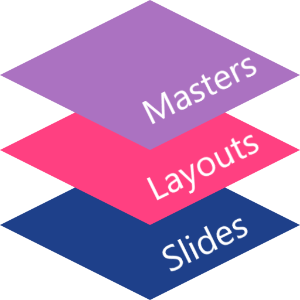
在 Aspose.Slides 中,slide master 以 IMasterSlide 介面表示。簡報中所有的 master slide 可透過 Presentation.getMasters 集合取得,該集合實作 IMasterSlideCollection。欲取得完整的 Android via Java API,請參閱 com.aspose.slides API reference。
Inheritance
當同一屬性在多個層級中都被定義時,以較具體的層級為準。例如,若 master slide 與 layout slide 都定義了背景,基於該 layout 的投影片會使用 layout 背景。欲取得更多有關 layout slide 的資訊,請參閱 Apply or Change Slide Layouts。存取 Slide Masters
在 PowerPoint 中,您可以從 View > Slide Master 開啟 Slide Master 檢視。
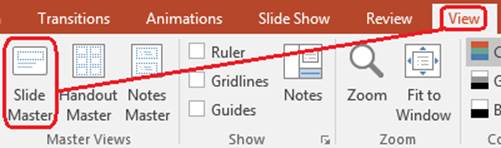
在 Aspose.Slides 中,使用 getMasters() 集合來存取 master slide:
import com.aspose.slides.*;

Presentation presentation = new Presentation("presentation.pptx");
try {
    IMasterSlide firstMasterSlide = presentation.getMasters().get_Item(0);
    int masterSlideCount = presentation.getMasters().size();
    int firstMasterLayoutSlideCount = firstMasterSlide.getLayoutSlides().size();

    System.out.println("Master slides: " + masterSlideCount);
    System.out.println("Layouts in the first master: " + firstMasterLayoutSlideCount);
} finally {
    presentation.dispose();
}
您也可以透過其 layout 取得普通投影片所使用的 master slide:
import com.aspose.slides.*;

Presentation presentation = new Presentation("presentation.pptx");
try {
    ISlide slide = presentation.getSlides().get_Item(0);
    ILayoutSlide layoutSlide = slide.getLayoutSlide();
    IMasterSlide masterSlide = layoutSlide.getMasterSlide();
    String masterSlideName = masterSlide.getName();

    System.out.println(masterSlideName);
} finally {
    presentation.dispose();
}
Slide Master 內的內容
master slide 是類似投影片的物件。它實作 IBaseSlide,因此會公開許多普通投影片與 layout slide 所使用的相同投影片屬性。
常用的 master slide 成員包括:
| 成員 | 目的 |
|---|---|
getBackground() |
設定 master 級別的投影片背景。 |
getShapes() |
儲存放置於 master 上的圖形,例如標誌、圖片框與共享文字。 |
getLayoutSlides() |
儲存屬於該 master 的 layout slide。 |
getThemeManager() |
提供存取 master 主題 API 的功能。 |
getHeaderFooterManager() |
控制 master 及其子 layout 的頁首、頁腳、日期與投影片編號。 |
getDependingSlides() |
回傳透過 layout 依賴於該 master 的普通投影片。 |
將影像新增至 Slide Master
當您將影像新增至 master slide 時,使用該 master 之 layout 的投影片都會顯示該影像。這對於標誌、浮水印、裝飾帶及其他重複的視覺元素相當有用。
以下範例將標誌新增至第一個 master slide:
import com.aspose.slides.*;

Presentation presentation = new Presentation("presentation.pptx");
try {
    IMasterSlide masterSlide = presentation.getMasters().get_Item(0);
    IImage logo = Images.fromFile("logo.png");

    try {
        IPPImage logoImage = presentation.getImages().addImage(logo);

        masterSlide.getShapes().addPictureFrame(
                ShapeType.Rectangle,
                20,
                20,
                80,
                80,
                logoImage);
    } finally {
        logo.dispose();
    }

    presentation.save("presentation-with-logo.pptx", SaveFormat.Pptx);
} finally {
    presentation.dispose();
}
欲取得更多有關圖片框的資訊,請參閱 Picture Frame。
控制 Master 圖形的可見性
使用 IBaseSlide.setShowMasterShapes 來隱藏繼承自 master 的圖形,例如標誌或裝飾形狀,而無需從 master 中刪除它們。對於應該省略這些圖形的投影片,將 false 傳遞給 Slide.setShowMasterShapes;對於應該顯示它們的投影片,則保持 true。
以下獨立範例在 master 上建立藍色裝飾帶,並建立兩張使用相同空白 layout 的投影片。該帶在第一張投影片可見,第二張則隱藏。無需提供輸入簡報或影像。
import com.aspose.slides.*;
import android.graphics.Color;

Presentation presentation = new Presentation();
try {
    IMasterSlide masterSlide = presentation.getMasters().get_Item(0);
    ILayoutSlide layoutSlide = masterSlide.getLayoutSlides().getByType(SlideLayoutType.Blank);
    layoutSlide.setShowMasterShapes(true);

    float slideHeight = (float) presentation.getSlideSize().getSize().getHeight();
    IAutoShape band = masterSlide.getShapes().addAutoShape(ShapeType.Rectangle, 0, 0, 60, slideHeight);
    int bandColor = Color.rgb(70, 130, 180);
    band.getFillFormat().setFillType(FillType.Solid);
    band.getFillFormat().getSolidFillColor().setColor(bandColor);
    band.getLineFormat().getFillFormat().setFillType(FillType.NoFill);

    ISlide visibleSlide = presentation.getSlides().get_Item(0);
    visibleSlide.setLayoutSlide(layoutSlide);
    visibleSlide.getShapes().clear();

    ISlide hiddenSlide = presentation.getSlides().addEmptySlide(layoutSlide);

    visibleSlide.setShowMasterShapes(true);
    hiddenSlide.setShowMasterShapes(false);

    presentation.save("master-graphics.pptx", SaveFormat.Pptx);
} finally {
    presentation.dispose();
}
此範例使用新簡報所提供的 Blank layout,並移除初始投影片的自有 placeholder。
設定範圍的選擇
普通投影片透過 ISlide.getLayoutSlide 與 ILayoutSlide.getMasterSlide 使用其 master。對單一投影片設定屬性僅會影響該投影片。將 false 傳遞給 LayoutSlide.setShowMasterShapes 會隱藏使用該共享 layout 的所有投影片的 master 圖形,即使它們各自的設定為 true。若只想在單一投影片隱藏圖形,請變更該投影片的屬性而不更動共享 layout。
此設定在 master slide 本身並不支援可見性控制。在 master 上,getShowMasterShapes 永遠回傳 false,將 true 傳遞給 setShowMasterShapes 會拋出例外。請改在普通投影片或 layout 上套用。
區分圖形與背景
| 操作 | 效果 |
|---|---|
| 隱藏 master 圖形 | 在不刪除圖形或變更投影片自身圖形的情況下,控制繼承的 master 圖形可見性。 |
| 變更投影片背景填充 | 變更背景顏色、漸層或影像。Master 圖形是獨立的形狀,可在該背景上保持可見。請參閱 Presentation Background。 |
| 從 master 刪除形狀 | 移除共用來源形狀,所有使用該 master 的投影片將不再可用。 |
處理 Placeholder
Placeholder 通常定義於 layout slide。master slide 提供這些 layout 繼承的共享樣式與主題,而每個 layout 決定可用的 placeholder 以及其放置位置。
在 PowerPoint 中,Placeholder 指令可於 Slide Master 檢視中使用。
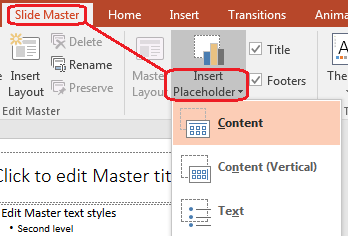
要使用 Aspose.Slides 新增 Placeholder,請處理屬於該 master 的 layout slide:
import com.aspose.slides.*;

Presentation presentation = new Presentation("presentation.pptx");
try {
    IMasterSlide masterSlide = presentation.getMasters().get_Item(0);
    ILayoutSlide blankLayoutSlide = masterSlide.getLayoutSlides().getByType(SlideLayoutType.Blank);

    if (blankLayoutSlide == null) {
        blankLayoutSlide = masterSlide.getLayoutSlides().add(SlideLayoutType.Blank, "Blank");
    }

    blankLayoutSlide.getPlaceholderManager().addTextPlaceholder(60, 120, 600, 80);

    presentation.getSlides().addEmptySlide(blankLayoutSlide);
    presentation.save("presentation-with-placeholder.pptx", SaveFormat.Pptx);
} finally {
    presentation.dispose();
}
您也可以格式化已存在於 master slide 上的 placeholder 形狀。以下範例尋找標題 placeholder 並套用線性漸層填充:
import com.aspose.slides.*;
import java.awt.Color;

Presentation presentation = new Presentation("presentation.pptx");
try {
    IMasterSlide masterSlide = presentation.getMasters().get_Item(0);
    IAutoShape titlePlaceholder = null;

    for (IShape shape : masterSlide.getShapes()) {
        if (shape instanceof IAutoShape) {
            IAutoShape autoShape = (IAutoShape) shape;

            if (autoShape.getPlaceholder() != null &&
                    autoShape.getPlaceholder().getType() == PlaceholderType.Title) {
                titlePlaceholder = autoShape;
                break;
            }
        }
    }

    if (titlePlaceholder != null) {
        Color redGradientColor = new Color(255, 0, 0);
        Color purpleGradientColor = new Color(128, 0, 128);

        titlePlaceholder.getFillFormat().setFillType(FillType.Gradient);
        titlePlaceholder.getFillFormat().getGradientFormat().setGradientShape(GradientShape.Linear);
        titlePlaceholder.getFillFormat().getGradientFormat().getGradientStops().add(0.0f, redGradientColor);
        titlePlaceholder.getFillFormat().getGradientFormat().getGradientStops().add(1.0f, purpleGradientColor);
    }

    presentation.save("presentation-title-style.pptx", SaveFormat.Pptx);
} finally {
    presentation.dispose();
}
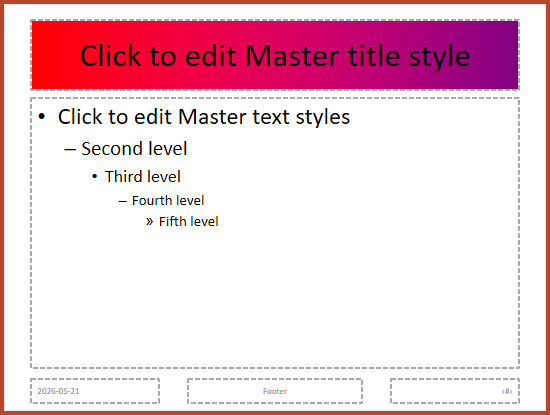
欲取得更多 placeholder 與文字格式設定選項,請參閱 Set Prompt Text in Placeholder 與 Text Formatting.
變更 Slide Master 背景
master 背景會被未覆寫的 layout 與投影片繼承。以下範例為第一個 master slide 設定純色背景:
import com.aspose.slides.*;
import java.awt.Color;

Presentation presentation = new Presentation("presentation.pptx");
try {
    IMasterSlide masterSlide = presentation.getMasters().get_Item(0);
    Color masterBackgroundColor = Color.GREEN;

    masterSlide.getBackground().setType(BackgroundType.OwnBackground);
    masterSlide.getBackground().getFillFormat().setFillType(FillType.Solid);
    masterSlide.getBackground().getFillFormat().getSolidFillColor().setColor(masterBackgroundColor);

    presentation.save("presentation-master-background.pptx", SaveFormat.Pptx);
} finally {
    presentation.dispose();
}
相關主題請參閱 Presentation Background 和 Presentation Theme。
將 Slide Master 複製至其他簡報
使用 IMasterSlideCollection.addClone 將 master slide 複製到另一個簡報。複製後的 master 可由目標簡報中的 layout 與投影片使用。
import com.aspose.slides.*;

Presentation sourcePresentation = new Presentation("source.pptx");
Presentation destinationPresentation = new Presentation("destination.pptx");
try {
    IMasterSlide sourceMasterSlide = sourcePresentation.getMasters().get_Item(0);
    IMasterSlide clonedMasterSlide = destinationPresentation.getMasters().addClone(sourceMasterSlide);

    destinationPresentation.save("destination-with-master.pptx", SaveFormat.Pptx);
} finally {
    sourcePresentation.dispose();
    destinationPresentation.dispose();
}
如果需要同時複製包含其 master 的普通投影片,請參閱 Clone Slides。
新增多個 Slide Master
簡報可以包含多個 master slide。當不同章節需要不同品牌、頁面結構或主題設定時,這非常有用。
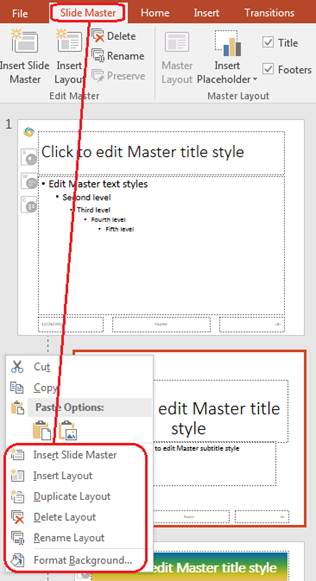
以下範例複製預設 master,為複本設定不同的背景,在該複製 master 下建立 layout,並新增基於該 layout 的投影片:
import com.aspose.slides.*;
import java.awt.Color;

Presentation presentation = new Presentation("presentation.pptx");
try {
    IMasterSlide defaultMasterSlide = presentation.getMasters().get_Item(0);
    IMasterSlide sectionMasterSlide = presentation.getMasters().addClone(defaultMasterSlide);
    Color sectionMasterBackgroundColor = Color.GRAY;

    sectionMasterSlide.getBackground().setType(BackgroundType.OwnBackground);
    sectionMasterSlide.getBackground().getFillFormat().setFillType(FillType.Solid);
    sectionMasterSlide.getBackground().getFillFormat().getSolidFillColor().setColor(sectionMasterBackgroundColor);

    ILayoutSlide sourceBlankLayout = defaultMasterSlide.getLayoutSlides().getByType(SlideLayoutType.Blank);
    if (sourceBlankLayout == null) {
        sourceBlankLayout = defaultMasterSlide.getLayoutSlides().get_Item(0);
    }

    ILayoutSlide sectionBlankLayout = sectionMasterSlide.getLayoutSlides().addClone(sourceBlankLayout);

    presentation.getSlides().addEmptySlide(sectionBlankLayout);
    presentation.save("presentation-with-multiple-masters.pptx", SaveFormat.Pptx);
} finally {
    presentation.dispose();
}
比較 Slide Master
可以使用從 IBaseSlide 繼承的 equals 方法比較 master slide。比較會檢查結構與靜態內容,如形狀、文字、格式、動畫與其他投影片設定。它不會比較唯一識別碼(如投影片 ID)或動態 placeholder 值(如當前日期)。
import com.aspose.slides.*;

Presentation firstPresentation = new Presentation("first.pptx");
Presentation secondPresentation = new Presentation("second.pptx");
try {
    int firstPresentationMasterCount = firstPresentation.getMasters().size();
    int secondPresentationMasterCount = secondPresentation.getMasters().size();

    for (int firstMasterIndex = 0; firstMasterIndex < firstPresentationMasterCount; firstMasterIndex++) {
        for (int secondMasterIndex = 0; secondMasterIndex < secondPresentationMasterCount; secondMasterIndex++) {
            IMasterSlide firstMasterSlide = firstPresentation.getMasters().get_Item(firstMasterIndex);
            IMasterSlide secondMasterSlide = secondPresentation.getMasters().get_Item(secondMasterIndex);
            boolean areMasterSlidesEqual = firstMasterSlide.equals(secondMasterSlide);

            if (areMasterSlidesEqual) {
                System.out.printf(
                        "first.pptx master #%d equals second.pptx master #%d%n",
                        firstMasterIndex,
                        secondMasterIndex);
            }
        }
    }
} finally {
    firstPresentation.dispose();
    secondPresentation.dispose();
}
欲取得更多資訊,請參閱 Compare Presentation Slides。
將 Slide Master 檢視設為預設檢視
使用 ViewProperties 上的 setLastView 方法可控制 PowerPoint 首次開啟的檢視。以下範例在 Slide Master 檢視中開啟簡報:
import com.aspose.slides.*;

Presentation presentation = new Presentation("presentation.pptx");
try {
    presentation.getViewProperties().setLastView(ViewType.SlideMasterView);
    presentation.save("presentation-master-view.pptx", SaveFormat.Pptx);
} finally {
    presentation.dispose();
}
更多檢視設定請參閱 Save Presentation。
移除未使用的 Master Slide
簡報有時會包含已不被任何普通投影片使用的 master slide。移除未使用的 master 可減少檔案大小並簡化樣板維護。
使用 removeUnused 從 getMasters() 集合中移除未使用的 master:
import com.aspose.slides.*;

Presentation presentation = new Presentation("presentation.pptx");
try {
    presentation.getMasters().removeUnused(true);
    presentation.save("presentation-clean.pptx", SaveFormat.Pptx);
} finally {
    presentation.dispose();
}
您也可以使用低程式碼的 Compress.removeUnusedMasterSlides 方法:
import com.aspose.slides.*;

Presentation presentation = new Presentation("presentation.pptx");
try {
    Compress.removeUnusedMasterSlides(presentation);
    presentation.save("presentation-clean.pptx", SaveFormat.Pptx);
} finally {
    presentation.dispose();
}
FAQ
什麼是 slide master 與 layout slide 的差異?
slide master 定義共享的設計設定,如主題、背景、共用圖形與文字樣式。layout slide 隸屬於 master,定義 placeholder 的具體排列。普通投影片使用 layout slide,因而同時繼承 layout 與 master 的設定。
一個簡報可以包含多個 slide master 嗎?
可以。簡報可以包含多個 slide master。當不同章節需要不同的視覺系統或品牌時,請使用多個 master。
應該將 placeholder 加到 master slide 還是 layout slide?
大多數情況下,應將 placeholder 加到 layout slide。將共享的視覺元素與格式放在 master slide,上述的內容 placeholder 則放在普通投影片將使用的 layout 中。
我可以刪除仍被使用的 master slide 嗎?
不能。仍有相依投影片的 master slide 無法直接安全刪除。請先將這些投影片移至其他 master 的 layout,或使用僅移除未被使用的 master 的清理方法。