
在 Android 上管理簡報圖形
概觀
Aspose.Slides for Android via Java 將投影片上的圖形表示為一個有序的 IShapeCollection。此集合同時是您尋找與修改圖形的所在,也是它們堆疊順序的來源:索引 0 為最背後的圖形,最後一個索引則為最前面的圖形。
本文遵循此模型。首先說明如何可靠地識別圖形並修改預設的圖形調整點,接著示範如何複製、移除、隱藏與重新排序圖形。最後的章節涵蓋版面層級的格式設定、SVG 匯出、對齊與翻轉設定。每個範例都是獨立的,您可以只使用工作流程所需的操作。
識別與尋找圖形
在處理已知檔案時,集合索引很方便,但它們不是穩定的識別子。新增、移除或重新排序圖形都會改變其索引。請依據投影片的製作與維護方式選擇識別子:
- Name 對於開發人員控制的樣板很有用,且在 PowerPoint 的「選取窗格」中易於檢查。名稱可以編輯,但不保證唯一,若程式碼依賴名稱,請建立命名規則。
- AlternativeText 在已有無障礙說明或作者自行標記已識別圖形時很有用。它會對使用者可見,可能會本地化或為無障礙需求重新撰寫,且不保證唯一。不要把有意義的無障礙文字悄悄用作資料庫鍵。
- OfficeInteropShapeId 是唯讀的識別子,在投影片內唯一,對應 PowerPoint 互操作使用的形狀 ID。於整合 PowerPoint 或需要在圖形生命週期內取得明確參照時使用。被複製或重新建立的圖形會是不同的圖形,會取得自己的 ID。
相關的 getUniqueId 方法會回傳投影片範圍內的識別子,但此識別子僅供外掛使用,可能會被重新指派,不應視為永久的外部鍵。若需要長期身分辨識,請將對應關係保存在應用程式資料中,並驗證預期的圖形仍然存在。
若要實作讀取與更新替代文字的標題與說明,請參考 Manage Alternative Text Titles and Descriptions。使用替代文字向讀者說明視覺資訊的意義,並將其與程式碼用來尋找圖形的名稱分開管理。
以下範例以精確比較的方式依名稱搜尋,並回報投影片層級的 interop ID。當樣板未包含預期圖形時,程式會回報該結果而不是繼續使用錯誤的物件。
import com.aspose.slides.*;

Presentation presentation = new Presentation("input.pptx");
try {
    ISlide slide = presentation.getSlides().get_Item(0);

    IShape targetShape = null;
    for (IShape shape : slide.getShapes()) {
        if ("RevenueChart".equals(shape.getName())) {
            targetShape = shape;
            break;
        }
    }

    if (targetShape == null) {
        System.out.println("The shape 'RevenueChart' was not found on slide 1.");
    } else {
        System.out.println("Found " + targetShape.getName() + "; interop ID: " + targetShape.getOfficeInteropShapeId());
    }
} finally {
    presentation.dispose();
}
當操作特定於圖形類型時,請先檢查介面再使用類型專屬的成員。此範例僅在命名物件為 IAutoShape 時,才會更新文字與替代文字。
import com.aspose.slides.*;

Presentation presentation = new Presentation("input.pptx");
try {
    ISlide slide = presentation.getSlides().get_Item(0);

    IShape candidate = null;
    for (IShape shape : slide.getShapes()) {
        if ("StatusLabel".equals(shape.getName())) {
            candidate = shape;
            break;
        }
    }

    if (candidate instanceof IAutoShape) {
        IAutoShape autoShape = (IAutoShape) candidate;
        autoShape.getTextFrame().setText("Approved");
        autoShape.setAlternativeText("Approval status: approved");
        presentation.save("identified-shape.pptx", SaveFormat.Pptx);
    } else {
        System.out.println("'StatusLabel' is missing or is not an AutoShape.");
    }
} finally {
    presentation.dispose();
}
識別與修改預設圖形調整
預設幾何圖形可能會公開調整點,以控制角落大小、箭頭比例或弧度等特徵。透過唯讀的 IGeometryShape.getAdjustments 集合取得。集合本身由圖形提供,但每個 IAdjustValue 含有可變更的值。
不要只依賴固定的集合索引。遍歷調整項目並檢查唯讀的 getType 方法,其 ShapeAdjustmentType 值描述此調整控制什麼。唯讀的 getName 方法提供額外的識別資訊,當同一語義類型出現多次時特別有用。
使用與調整意義相符的方法:
| 調整類型 | 目的 | 要變更的值 |
|---|---|---|
CornerSize |
圓角大小 | setRawValue |
ArrowTailThickness |
箭尾厚度 | setRawValue |
ArrowheadLength |
箭頭長度 | setRawValue |
ArrowheadWidth |
箭頭寬度 | setRawValue |
StartAngle |
扇形或弧線的起始角度 | setAngleValue |
EndAngle |
扇形或弧線的結束角度 | setAngleValue |
getType 與 getName 回傳唯讀資訊。getRawValue 與 setRawValue 使用預設幾何單位的整數,而 getAngleValue 與 setAngleValue 使用度數。調整項目的數量、順序、意義與有效範圍取決於預設的 ShapeType。對一種預設有效的值,對另一種預設可能無效或產生不同效果。
當 getType 回傳 ShapeAdjustmentType.Custom 時,API 無法辨識標準語意。檢查 getName、預設類型與現有值,除非已知預期的意義與範圍,否則保持調整不變。即使是已辨識的類型,也要先確認同一類型是否出現多次再選取值。Connector 文章示範了連接線彎曲調整的情況。
以下完整範例建立三個預設圖形的預設與修改版本。它遍歷每個調整,回報名稱與類型,透過 setRawValue 更改與大小相關的值,透過 setAngleValue 更改角度,並儲存結果。左側保留預設幾何,右側則顯示調整後的圓角矩形、四向箭頭與扇形。
import com.aspose.slides.*;

Presentation presentation = new Presentation();
try {
    ISlide slide = presentation.getSlides().get_Item(0);

    // 為預設與調整後的圖形欄位新增標題。
    IAutoShape defaultColumnLabel = slide.getShapes().addAutoShape(ShapeType.Rectangle, 40, 20, 250, 30);
    defaultColumnLabel.getTextFrame().setText("Default preset geometry");
    IAutoShape adjustedColumnLabel = slide.getShapes().addAutoShape(ShapeType.Rectangle, 390, 20, 250, 30);
    adjustedColumnLabel.getTextFrame().setText("Modified adjustment values");

    slide.getShapes().addAutoShape(ShapeType.RoundCornerRectangle, 80, 70, 160, 70);
    IGeometryShape modifiedRoundedRectangle = slide.getShapes().addAutoShape(ShapeType.RoundCornerRectangle, 430, 70, 160, 70);
    modifiedRoundedRectangle.setName("ModifiedRoundedRectangle");

    slide.getShapes().addAutoShape(ShapeType.QuadArrow, 80, 180, 160, 110);
    IGeometryShape modifiedArrow = slide.getShapes().addAutoShape(ShapeType.QuadArrow, 430, 180, 160, 110);
    modifiedArrow.setName("ModifiedQuadArrow");

    slide.getShapes().addAutoShape(ShapeType.Pie, 95, 330, 130, 130);
    IGeometryShape modifiedPie = slide.getShapes().addAutoShape(ShapeType.Pie, 445, 330, 130, 130);
    modifiedPie.setName("ModifiedPie");

    IGeometryShape[] shapesToAdjust = {
        modifiedRoundedRectangle,
        modifiedArrow,
        modifiedPie
    };

    for (IGeometryShape shape : shapesToAdjust) {
        for (int adjustmentIndex = 0; adjustmentIndex < shape.getAdjustments().size(); adjustmentIndex++) {
            IAdjustValue adjustment = shape.getAdjustments().get_Item(adjustmentIndex);
            System.out.println(shape.getName() + " / " + adjustment.getName() + ": " + adjustment.getType());

            switch (adjustment.getType()) {
                case ShapeAdjustmentType.CornerSize:
                    adjustment.setRawValue(5000);
                    break;
                case ShapeAdjustmentType.ArrowTailThickness:
                    adjustment.setRawValue(25000);
                    break;
                case ShapeAdjustmentType.ArrowheadLength:
                    adjustment.setRawValue(30000);
                    break;
                case ShapeAdjustmentType.ArrowheadWidth:
                    adjustment.setRawValue(40000);
                    break;
                case ShapeAdjustmentType.StartAngle:
                    adjustment.setAngleValue(30);
                    break;
                case ShapeAdjustmentType.EndAngle:
                    adjustment.setAngleValue(300);
                    break;
                case ShapeAdjustmentType.Custom:
                    System.out.println("Custom adjustment '" + adjustment.getName() + "' was not changed.");
                    break;
            }
        }
    }

    presentation.save("preset-shape-adjustments.pptx", SaveFormat.Pptx);
} finally {
    presentation.dispose();
}
在變更值之前先檢查語意類型,可讓程式明確表達意圖,避免假設相同集合索引在不同預設圖形中有相同意義。
修改圖形集合
新增、複製、移除與重新排序方法會立即作用於集合。若操作改變了圖形的數量或順序,請勿再依賴先前取得的索引。
複製圖形
addClone 會建立獨立的副本,並將其附加至目標集合的末端。insertClone 也會建立副本,但會放在指定的 Z 軸索引位置。接受座標的重載會在不變更大小的情況下移動副本;接受寬度與高度的重載則同時調整大小。
此範例建立目的投影片,將帶標籤的矩形複製至前端,並在後端插入第二個副本。對任一副本的變更都不會影響來源圖形。
import com.aspose.slides.*;

Presentation presentation = new Presentation();
try {
    ISlide sourceSlide = presentation.getSlides().get_Item(0);
    IAutoShape sourceShape = sourceSlide.getShapes().addAutoShape(ShapeType.Rectangle, 40, 40, 180, 60);
    sourceShape.setName("SourceLabel");
    sourceShape.getTextFrame().setText("Source");

    ILayoutSlide blankLayout = presentation.getMasters().get_Item(0).getLayoutSlides().getByType(SlideLayoutType.Blank);
    ISlide destinationSlide = presentation.getSlides().addEmptySlide(blankLayout);

    IShape frontCloneShape = destinationSlide.getShapes().addClone(sourceShape, 80, 80);
    frontCloneShape.setName("FrontClone");
    if (frontCloneShape instanceof IAutoShape) {
        IAutoShape frontClone = (IAutoShape) frontCloneShape;
        frontClone.getTextFrame().setText("Front clone");
    } else {
        System.out.println("The front clone is not an AutoShape; its text was not changed.");
    }

    IShape backCloneShape = destinationSlide.getShapes().insertClone(0, sourceShape, 80, 180);
    backCloneShape.setName("BackClone");
    if (backCloneShape instanceof IAutoShape) {
        IAutoShape backClone = (IAutoShape) backCloneShape;
        backClone.getTextFrame().setText("Back clone");
    } else {
        System.out.println("The back clone is not an AutoShape; its text was not changed.");
    }

    presentation.save("cloned-shapes.pptx", SaveFormat.Pptx);
} finally {
    presentation.dispose();
}
複製會將圖形的內容與格式(包括名稱與替代文字)一起複製。若這些值必須唯一,請為副本指派新的邏輯識別子。複雜圖形使用的資源由投影片管理,但副本仍是集合中的新項目,擁有新的圖形身分。
移除圖形
remove 會從其集合中刪除指定的圖形物件。於索引迭代過程中移除多個符合項目時,請自尾端向前遍歷,以確保剩餘索引仍然有效。
此範例移除所有具有指定名稱的圖形。它在當前索引讀取圖形,而非固定的集合項目,且不會不必要地轉型圖形。
import com.aspose.slides.*;

Presentation presentation = new Presentation();
try {
    ISlide slide = presentation.getSlides().get_Item(0);

    IAutoShape keepShape = slide.getShapes().addAutoShape(ShapeType.Rectangle, 40, 40, 140, 60);
    keepShape.setName("Keep");

    IAutoShape firstTemporaryShape = slide.getShapes().addAutoShape(ShapeType.Ellipse, 220, 40, 80, 80);
    firstTemporaryShape.setName("Temporary");

    IAutoShape secondTemporaryShape = slide.getShapes().addAutoShape(ShapeType.Triangle, 340, 40, 100, 80);
    secondTemporaryShape.setName("Temporary");

    for (int i = slide.getShapes().size() - 1; i >= 0; i--) {
        IShape shape = slide.getShapes().get_Item(i);
        if ("Temporary".equals(shape.getName())) {
            slide.getShapes().remove(shape);
        }
    }

    presentation.save("removed-shapes.pptx", SaveFormat.Pptx);
} finally {
    presentation.dispose();
}
移除後,圖形計數與之後圖形的索引皆會變動。對未受影響圖形的參照較保存的索引更可靠。同時也要考慮連接線、動畫及其他可能參照被移除物件的投影片功能;移除可見圖形可能改變的不僅是投影片外觀。
隱藏圖形
將 Hidden 設為 true 會保留圖形於集合中,但在正常投影片放映時不會顯示。其索引、格式與內容仍可供程式碼使用,因此隱藏適用於可能稍後恢復的可選元素。
import com.aspose.slides.*;

Presentation presentation = new Presentation();
try {
    ISlide slide = presentation.getSlides().get_Item(0);

    IAutoShape visibleShape = slide.getShapes().addAutoShape(ShapeType.Rectangle, 40, 40, 160, 60);
    visibleShape.setName("VisibleLabel");

    IAutoShape optionalShape = slide.getShapes().addAutoShape(ShapeType.Moon, 240, 40, 100, 100);
    optionalShape.setName("OptionalDecoration");

    for (IShape shape : slide.getShapes()) {
        if ("OptionalDecoration".equals(shape.getName())) {
            shape.setHidden(true);
        }
    }

    presentation.save("hidden-shape.pptx", SaveFormat.Pptx);
} finally {
    presentation.dispose();
}
隱藏並非刪除或安全保護。使用者或程式碼仍能發現並取消隱藏,且它仍是投影片檔案的一部份。
變更 Z 軸順序
重疊的圖形會依集合順序繪製。reorder 會將現有圖形移動到目標索引,且不會產生副本。索引 0 為最背後;size() - 1 為最前端。
import com.aspose.slides.*;
import java.awt.Color;

Presentation presentation = new Presentation();
try {
    ISlide slide = presentation.getSlides().get_Item(0);

    IAutoShape blueRectangle = slide.getShapes().addAutoShape(ShapeType.Rectangle, 100, 100, 220, 120);
    blueRectangle.setName("BlueRectangle");
    blueRectangle.getFillFormat().setFillType(FillType.Solid);
    blueRectangle.getFillFormat().getSolidFillColor().setColor(Color.BLUE);

    IAutoShape orangeEllipse = slide.getShapes().addAutoShape(ShapeType.Ellipse, 180, 140, 220, 120);
    orangeEllipse.setName("OrangeEllipse");
    orangeEllipse.getFillFormat().setFillType(FillType.Solid);
    orangeEllipse.getFillFormat().getSolidFillColor().setColor(Color.rgb(255, 165, 0));

    slide.getShapes().reorder(slide.getShapes().size() - 1, blueRectangle);
    presentation.save("reordered-shapes.pptx", SaveFormat.Pptx);
} finally {
    presentation.dispose();
}
矩形最先建立,最初位於橢圓之後。將其移至最終索引即會置於前端。請於加入或複製所有相關圖形後再最終確認 Z 軸順序,因為這些操作會在集合中新增或插入項目,可能改變原先的堆疊。
檢查版面投影片上的圖形
一般投影片、版面投影片與母版投影片各自擁有獨立的圖形集合。版面集合中的圖形並非與一般投影片上同位置圖形相同的物件。當需要了解或變更版面提供的格式時,請檢查版面圖形。
以下範例讀取每個版面圖形的 FillFormat 與 LineFormat,且不假設每個圖形都是 AutoShape。
import com.aspose.slides.*;

Presentation presentation = new Presentation("input.pptx");
try {
    for (ILayoutSlide layoutSlide : presentation.getLayoutSlides()) {
        for (IShape shape : layoutSlide.getShapes()) {
            int fillType = shape.getFillFormat().getFillType();
            double lineWidth = shape.getLineFormat().getWidth();
            System.out.println(layoutSlide.getName() + " / " + shape.getName() + ": fill=" + fillType + ", line width=" + lineWidth);
        }
    }
} finally {
    presentation.dispose();
}
編輯版面可能會影響多個使用該版面的投影片。變更版面圖形前,請先確認一般投影片是繼承該物件還是具有本地覆寫,並測試所有使用該版面的投影片。
將圖形匯出為 SVG
writeAsSvg 會將單一圖形的渲染內容寫入串流。結果僅包含該圖形本身,而非整張投影片的背景或相鄰圖形。
import com.aspose.slides.*;
import java.io.FileOutputStream;
import java.io.IOException;

Presentation presentation = new Presentation("input.pptx");
try {
    ISlide slide = presentation.getSlides().get_Item(0);

    if (slide.getShapes().size() == 0) {
        System.out.println("Slide 1 does not contain a shape to export.");
    } else {
        IShape shape = slide.getShapes().get_Item(0);
        try (FileOutputStream svgStream = new FileOutputStream("shape.svg")) {
            shape.writeAsSvg(svgStream);
        } catch (IOException exception) {
            System.out.println("The SVG file could not be written: " + exception.getMessage());
        }
    }
} finally {
    presentation.dispose();
}
渲染時請保持投影片開啟狀態。輸出內容取決於圖形的格式以及字型、圖像等資源。如果需要整個組合,請匯出投影片而非單一圖形。呼叫端擁有串流的所有權,必須自行關閉。
對齊圖形
SlideUtil.alignShapes 的重載可以對全部圖形或選取的集合索引進行對齊。ShapesAlignmentType 指定要對齊的邊緣、中心線或分佈模式。將 alignToSlide 設為 true 以使用投影片邊緣;設為 false 則將選取的圖形相互對齊。
此範例將三個圖形對齊至投影片的上緣。返回的圖形參照會在對齊前立即轉換為目前的索引。
import com.aspose.slides.*;

Presentation presentation = new Presentation();
try {
    ISlide slide = presentation.getSlides().get_Item(0);

    IAutoShape firstShape = slide.getShapes().addAutoShape(ShapeType.Rectangle, 60, 80, 120, 50);
    IAutoShape secondShape = slide.getShapes().addAutoShape(ShapeType.Ellipse, 240, 160, 120, 50);
    IAutoShape thirdShape = slide.getShapes().addAutoShape(ShapeType.Triangle, 420, 240, 120, 50);
    firstShape.setName("FirstAlignedShape");
    secondShape.setName("SecondAlignedShape");
    thirdShape.setName("ThirdAlignedShape");

    int[] shapeIndexes = {slide.getShapes().indexOf(firstShape), slide.getShapes().indexOf(secondShape), slide.getShapes().indexOf(thirdShape)};

    SlideUtil.alignShapes(ShapesAlignmentType.AlignTop, true, slide, shapeIndexes);
    presentation.save("aligned-shapes.pptx", SaveFormat.Pptx);
} finally {
    presentation.dispose();
}
對齊會變更位置,而不是 Z 軸順序。相對對齊通常至少需要兩個圖形,而水平或垂直分佈則需要足夠的圖形以定義間距。若在呼叫方法前修改了集合,請重新計算索引。
翻轉圖形
ShapeFrame 類別儲存位置、大小、水平與垂直翻轉設定,以及旋轉角度。其 getFlipH 與 getFlipV 值使用 NullableBool:True 表示啟用翻轉,False 表示關閉,NotDefined 表示保留未指定/預設狀態。
以下輸入投影片包含一個未翻轉的圖形。
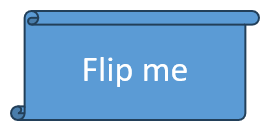
範例保留其他所有框架值,只替換兩個翻轉設定。這點很重要,因為指派新的 Frame 會取代整個框架。
import com.aspose.slides.*;

Presentation presentation = new Presentation("sample.pptx");
try {
    IShape shape = presentation.getSlides().get_Item(0).getShapes().get_Item(0);
    IShapeFrame frame = shape.getFrame();

    System.out.println("Horizontal flip before change: " + frame.getFlipH());
    System.out.println("Vertical flip before change: " + frame.getFlipV());

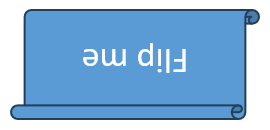
    shape.setFrame(new ShapeFrame(frame.getX(), frame.getY(), frame.getWidth(), frame.getHeight(), NullableBool.True, NullableBool.True, frame.getRotation()));

    presentation.save("flipped-shape.pptx", SaveFormat.Pptx);
} finally {
    presentation.dispose();
}
儲存的圖形會水平與垂直鏡像,同時保留其位置、大小與旋轉。
常見問題
我可以使用集合索引作為圖形識別子嗎?
僅在集合不會在使用索引前變更的短暫處理情境下可使用。對於已製作的樣板,建議使用已驗證的 Name 或 AlternativeText 方案;對於投影片層級的互操作工作,則使用 OfficeInteropShapeId。
隱藏圖形會把它從 Z 軸順序中移除嗎?
不會。隱藏的圖形仍保留在集合的相同索引中。它仍可被搜尋、重新排序、編輯或再次顯示。
為什麼複製的圖形會出現在另一個圖形的前面?
addClone 會將副本附加至集合末端,也就是 Z 軸的最前端。若想指定初始索引,請使用 insertClone,或在全部圖形加入後使用 reorder。
我可以使用固定索引來識別預設圖形調整嗎?
只能在已驗證的確切預設與集合布局下使用。建議遍歷 IGeometryShape.getAdjustments,檢查 IAdjustValue.getType;若同一語意類型出現多次,請使用 IAdjustValue.getName 作為額外資訊。