
Định dạng Văn bản Bản trình chiếu trong Java
Tổng quan
Bài viết này hướng dẫn cách định dạng văn bản trong các bản trình chiếu PowerPoint và OpenDocument bằng Aspose.Slides cho Java. Nó bao gồm màu nền, độ trong suốt, khoảng cách ký tự, thuộc tính phông chữ, xoay, khoảng cách đoạn, hành vi tự điều chỉnh kích thước, neo văn bản, vị trí tab và cài đặt ngôn ngữ.
Trừ khi được ghi chú khác, các ví dụ sử dụng sample.pptx. Hình dạng đầu tiên trên slide đầu tiên là một hộp văn bản, và đoạn văn đầu tiên của nó chứa văn bản được hiển thị bên dưới. Cả chỉ số slide và hình dạng đều bắt đầu từ 0. Các ví dụ chọn các phần in đậm sử dụng định dạng hiệu quả, bao gồm cả định dạng in đậm kế thừa:

Để tìm và thẻ và thay thế văn bản, xem Tìm và Thay thế Văn bản.
Đặt Màu Nền cho Văn bản
Sử dụng IParagraphFormat.getDefaultPortionFormat để đặt màu tô sáng mặc định cho một đoạn, hoặc sử dụng IBasePortionFormat.getHighlightColor cho các phần văn bản riêng lẻ.
Ví dụ sau đặt màu tô sáng màu xám nhạt làm mặc định cho đoạn đầu tiên. Màu tô sáng cụ thể trên các phần riêng lẻ sẽ ưu tiên hơn mặc định này:
import com.aspose.slides.*;
import java.awt.Color;

Presentation presentation = new Presentation("sample.pptx");
try {
    ISlide slide = presentation.getSlides().get_Item(0);

    IAutoShape autoShape = (IAutoShape)slide.getShapes().get_Item(0);
    IParagraph paragraph = autoShape.getTextFrame().getParagraphs().get_Item(0);

    // Đặt màu tô sáng cho toàn bộ đoạn.
    paragraph.getParagraphFormat().getDefaultPortionFormat().getHighlightColor().setColor(Color.LIGHT_GRAY);

    presentation.save("gray_paragraph.pptx", SaveFormat.Pptx);
} finally {
    presentation.dispose();
}
Kết quả:

Ví dụ mã dưới đây minh họa cách đặt màu nền cho các phần văn bản có phông chữ in đậm:
import com.aspose.slides.*;
import java.awt.Color;

Presentation presentation = new Presentation("sample.pptx");
try {
    ISlide slide = presentation.getSlides().get_Item(0);

    IAutoShape autoShape = (IAutoShape)slide.getShapes().get_Item(0);
    IParagraph paragraph = autoShape.getTextFrame().getParagraphs().get_Item(0);

    for (IPortion portion : paragraph.getPortions()) {
        if (portion.getPortionFormat().getEffective().getFontBold()) {
            // Đặt màu tô sáng cho phần văn bản.
            portion.getPortionFormat().getHighlightColor().setColor(Color.LIGHT_GRAY);
        }
    }

    presentation.save("gray_text_portions.pptx", SaveFormat.Pptx);
} finally {
    presentation.dispose();
}
Kết quả:

Căn Đoạn Văn Bản
Sử dụng IParagraphFormat.setAlignment để đặt căn chỉnh đoạn trong một khung văn bản. Giá trị có thể là căn giữa, căn lề trái, căn lề phải, căn đều, v.v.
Ví dụ mã sau cho thấy cách căn đoạn về giữa:
import com.aspose.slides.*;

Presentation presentation = new Presentation("sample.pptx");
try {
    ISlide slide = presentation.getSlides().get_Item(0);

    IAutoShape autoShape = (IAutoShape)slide.getShapes().get_Item(0);
    IParagraph paragraph = autoShape.getTextFrame().getParagraphs().get_Item(0);

    // Đặt căn chỉnh của đoạn văn thành trung tâm.
    paragraph.getParagraphFormat().setAlignment(TextAlignment.Center);

    presentation.save("aligned_paragraph.pptx", SaveFormat.Pptx);
} finally {
    presentation.dispose();
}
Kết quả:

Căn Phông Chữ Trong Một Dòng
Sử dụng IParagraphFormat.setFontAlignment để căn dọc các phần văn bản có kích thước phông chữ khác nhau trong một dòng. Cài đặt này áp dụng cho toàn bộ đoạn và kiểm soát việc căn chỉnh trong mỗi dòng của nó.
Ví dụ độc lập dưới đây tạo bốn hộp văn bản có nhãn trên một slide. Mỗi đoạn chứa cùng một văn bản với kích thước 18, 36 và 54 điểm, với một cách căn phông chữ khác nhau. Nó sử dụng Arial, tắt tính năng tự điều chỉnh và ngắt dòng, và giữ các khung văn bản đủ lớn cho một dòng duy nhất.
import com.aspose.slides.*;
import java.awt.Color;

Presentation presentation = new Presentation();
try {
    ISlide slide = presentation.getSlides().get_Item(0);

    int[] alignments = { FontAlignment.Baseline, FontAlignment.Top, FontAlignment.Center, FontAlignment.Bottom };
    String[] alignmentNames = { "Baseline", "Top", "Center", "Bottom" };
    float[] fontSizes = { 18f, 36f, 54f };

    for (int i = 0; i < alignments.length; i++) {
        IAutoShape shape = slide.getShapes().addAutoShape(ShapeType.Rectangle, 30, 20 + i * 130, 660, 120);
        shape.getFillFormat().setFillType(FillType.NoFill);
        shape.getLineFormat().getFillFormat().setFillType(FillType.NoFill);

        ITextFrame textFrame = shape.getTextFrame();
        textFrame.getTextFrameFormat().setAnchoringType(TextAnchorType.Top);
        textFrame.getTextFrameFormat().setAutofitType(TextAutofitType.None);
        textFrame.getTextFrameFormat().setWrapText(NullableBool.False);

        IParagraph label = textFrame.getParagraphs().get_Item(0);
        label.setText(alignmentNames[i]);
        label.getParagraphFormat().setAlignment(TextAlignment.Left);
        label.getParagraphFormat().getDefaultPortionFormat().setFontHeight(14);
        label.getParagraphFormat().getDefaultPortionFormat().setLatinFont(new FontData("Arial"));
        label.getParagraphFormat().getDefaultPortionFormat().getFillFormat().setFillType(FillType.Solid);
        label.getParagraphFormat().getDefaultPortionFormat().getFillFormat().getSolidFillColor().setColor(Color.GRAY);

        Paragraph paragraph = new Paragraph();
        paragraph.getParagraphFormat().setFontAlignment(alignments[i]);
        paragraph.getParagraphFormat().setAlignment(TextAlignment.Left);
        paragraph.getParagraphFormat().getDefaultPortionFormat().setLatinFont(new FontData("Arial"));
        paragraph.getParagraphFormat().getDefaultPortionFormat().getFillFormat().setFillType(FillType.Solid);
        paragraph.getParagraphFormat().getDefaultPortionFormat().getFillFormat().getSolidFillColor().setColor(Color.BLACK);

        for (float fontSize : fontSizes) {
            Portion portion = new Portion("Ag ");
            portion.getPortionFormat().setFontHeight(fontSize);
            paragraph.getPortions().add(portion);
        }

        textFrame.getParagraphs().add(paragraph);
    }

    presentation.save("font_alignment.pptx", SaveFormat.Pptx);
} finally {
    presentation.dispose();
}
Kết quả:
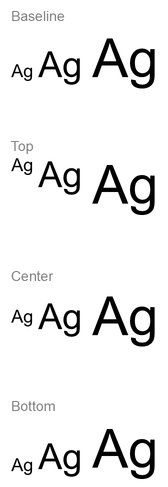
Căn phông chữ dựa trên các chỉ số phông, vì vậy các mép hiển thị của các ký tự riêng lẻ không nhất thiết phải hoàn toàn thẳng hàng. Ví dụ bao gồm cả một chữ in hoa và một ký tự có phần kéo xuống để minh họa sự khác biệt giữa căn cơ sở và căn dưới. Tính khả dụng và thay thế phông chữ, các ký tự được sử dụng và sự chênh lệch kích thước phông chữ đều ảnh hưởng tới kết quả. Kích thước khung, lề, khoảng cách dòng, ngắt dòng và tự điều chỉnh cũng ảnh hưởng tới bố cục; hãy sử dụng cùng một phông chữ và cài đặt bố cục khi so sánh các chế độ.
Cài đặt này khác với IParagraphFormat.setAlignment, mà kiểm soát căn ngang đoạn, và ITextFrameFormat.setAnchoringType, mà định vị khối văn bản theo chiều dọc trong hình dạng. Định dạng chỉ số trên và chỉ số dưới thông qua IBasePortionFormat.setEscapement dịch chuyển các phần riêng lẻ so với đường cơ sở thay vì đặt căn phông chữ cho các dòng của đoạn.
Đặt Độ Trong Suốt cho Văn bản
Độ trong suốt của văn bản được kiểm soát thông qua thành phần alpha của màu được gán cho IBasePortionFormat.getFillFormat. Trong các ví dụ dưới đây, alpha = 50 là giá trị kênh alpha ARGB trên thang 0–255, không phải phần trăm trong suốt.
Ví dụ mã dưới đây cho thấy cách áp dụng độ trong suốt cho toàn bộ đoạn:
import com.aspose.slides.*;
import java.awt.Color;

int alpha = 50;

Presentation presentation = new Presentation("sample.pptx");
try {
    ISlide slide = presentation.getSlides().get_Item(0);

    IAutoShape autoShape = (IAutoShape)slide.getShapes().get_Item(0);
    IParagraph paragraph = autoShape.getTextFrame().getParagraphs().get_Item(0);

    // Đặt màu nền của văn bản thành màu trong suốt.
    paragraph.getParagraphFormat().getDefaultPortionFormat().getFillFormat().setFillType(FillType.Solid);
    paragraph.getParagraphFormat().getDefaultPortionFormat().getFillFormat().getSolidFillColor().setColor(new Color(0, 0, 0, alpha));

    presentation.save("transparent_paragraph.pptx", SaveFormat.Pptx);
} finally {
    presentation.dispose();
}
Kết quả:

Ví dụ mã sau cho thấy cách áp dụng độ trong suốt cho các phần văn bản có phông chữ in đậm:
import com.aspose.slides.*;
import java.awt.Color;

int alpha = 50;

Presentation presentation = new Presentation("sample.pptx");
try {
    ISlide slide = presentation.getSlides().get_Item(0);

    IAutoShape autoShape = (IAutoShape)slide.getShapes().get_Item(0);
    IParagraph paragraph = autoShape.getTextFrame().getParagraphs().get_Item(0);

    for (IPortion portion : paragraph.getPortions()) {
        if (portion.getPortionFormat().getEffective().getFontBold()) {
            // Đặt độ trong suốt cho phần văn bản.
            portion.getPortionFormat().getFillFormat().setFillType(FillType.Solid);
            portion.getPortionFormat().getFillFormat().getSolidFillColor().setColor(new Color(0, 0, 0, alpha));
        }
    }

    presentation.save("transparent_text_portions.pptx", SaveFormat.Pptx);
} finally {
    presentation.dispose();
}
Kết quả:

Đặt Khoảng Cách Ký Tự cho Văn bản
Sử dụng IBasePortionFormat.setSpacing để mở rộng hoặc thu hẹp khoảng cách giữa các ký tự trong một hộp văn bản. Các ví dụ thêm 3 điểm khoảng cách; giá trị âm sẽ thu hẹp văn bản.
Mã Java sau đây cho thấy cách mở rộng khoảng cách ký tự trong toàn bộ đoạn:
import com.aspose.slides.*;

Presentation presentation = new Presentation("sample.pptx");
try {
    ISlide slide = presentation.getSlides().get_Item(0);

    IAutoShape autoShape = (IAutoShape)slide.getShapes().get_Item(0);
    IParagraph paragraph = autoShape.getTextFrame().getParagraphs().get_Item(0);

    // Lưu ý: Sử dụng giá trị âm để thu hẹp khoảng cách ký tự.
    paragraph.getParagraphFormat().getDefaultPortionFormat().setSpacing(3); // Mở rộng khoảng cách ký tự.

    presentation.save("character_spacing_in_paragraph.pptx", SaveFormat.Pptx);
} finally {
    presentation.dispose();
}
Kết quả:

Ví dụ mã dưới đây cho thấy cách mở rộng khoảng cách ký tự trong các phần văn bản có phông chữ in đậm:
import com.aspose.slides.*;

Presentation presentation = new Presentation("sample.pptx");
try {
    ISlide slide = presentation.getSlides().get_Item(0);

    IAutoShape autoShape = (IAutoShape)slide.getShapes().get_Item(0);
    IParagraph paragraph = autoShape.getTextFrame().getParagraphs().get_Item(0);

    for (IPortion portion : paragraph.getPortions()) {
        if (portion.getPortionFormat().getEffective().getFontBold()) {
            // Lưu ý: Sử dụng giá trị âm để thu hẹp khoảng cách ký tự.
            portion.getPortionFormat().setSpacing(3); // Mở rộng khoảng cách ký tự.
        }
    }

    presentation.save("character_spacing_in_text_portions.pptx", SaveFormat.Pptx);
} finally {
    presentation.dispose();
}
Kết quả:

Tắt Kerning cho Các Phông Chữ Cụ Thể
Trong một số trường hợp, văn bản được render bởi Aspose.Slides có thể trông hơi chặt hơn so với cùng văn bản hiển thị trong PowerPoint. Điều này có thể xảy ra vì PowerPoint có thể bỏ qua dữ liệu kerning đối với một số phông chữ, ngay cả khi phông chữ chứa thông tin kerning hợp lệ và kerning được bật trong cài đặt PowerPoint.
Để làm cho đầu ra đã render gần hơn với PowerPoint trong những trường hợp này, bạn có thể tắt kerning cho các phần văn bản sử dụng phông chữ bị ảnh hưởng. Đặt IBasePortionFormat.setKerningMinimalSize thành một giá trị lớn hơn kích thước thực tế của phông chữ. Ví dụ này yêu cầu “presentation.pptx” có một hộp văn bản làm hình dạng đầu tiên trên slide đầu tiên. Nó kiểm tra tên phông chữ hiệu quả, bao gồm cả phông chữ kế thừa, và đặt ngưỡng 100 điểm cho các phần sử dụng Roboto. Điều này tắt kerning cho các phần phù hợp có kích thước phông chữ dưới 100 điểm:
import com.aspose.slides.*;

Presentation presentation = new Presentation("presentation.pptx");
try {
    ISlide slide = presentation.getSlides().get_Item(0);

    IAutoShape autoShape = (IAutoShape)slide.getShapes().get_Item(0);
    String targetFont = "Roboto";

    for (IParagraph paragraph : autoShape.getTextFrame().getParagraphs()) {
        for (IPortion portion : paragraph.getPortions()) {
            IPortionFormatEffectiveData portionFormat = portion.getPortionFormat().getEffective();

            if ((portionFormat.getLatinFont() != null &&
                 portionFormat.getLatinFont().getFontName().equals(targetFont)) ||
                (portionFormat.getEastAsianFont() != null &&
                 portionFormat.getEastAsianFont().getFontName().equals(targetFont)) ||
                (portionFormat.getComplexScriptFont() != null &&
                 portionFormat.getComplexScriptFont().getFontName().equals(targetFont))) {
                portion.getPortionFormat().setKerningMinimalSize(100);
            }
        }
    }

    presentation.save("output.pptx", SaveFormat.Pptx);
} finally {
    presentation.dispose();
}
Đối với văn bản phù hợp dưới ngưỡng, cài đặt này ngăn kerning và có thể giúp đồng bộ việc render của Aspose.Slides với đầu ra trực quan của PowerPoint cho các phông chữ bị ảnh hưởng bởi hành vi đặc thù của PowerPoint này.
Quản Lý Thuộc Tính Phông Chữ cho Văn Bản
Thuộc tính phông chữ có thể được đặt ở mức đoạn thông qua IParagraphFormat.getDefaultPortionFormat hoặc trên các phần riêng lẻ thông qua IPortionFormat.
Ví dụ dưới đây đặt phông chữ mặc định của đoạn đầu tiên thành Times New Roman 12 điểm với định dạng in đậm, in nghiêng và gạch dưới chấm. Định dạng cụ thể trên các phần riêng lẻ sẽ ưu tiên hơn các mặc định này.
import com.aspose.slides.*;

Presentation presentation = new Presentation("sample.pptx");
try {
    ISlide slide = presentation.getSlides().get_Item(0);

    IAutoShape autoShape = (IAutoShape)slide.getShapes().get_Item(0);
    IParagraph paragraph = autoShape.getTextFrame().getParagraphs().get_Item(0);

    // Đặt thuộc tính phông chữ cho đoạn.
    paragraph.getParagraphFormat().getDefaultPortionFormat().setFontHeight(12);
    paragraph.getParagraphFormat().getDefaultPortionFormat().setFontBold(NullableBool.True);
    paragraph.getParagraphFormat().getDefaultPortionFormat().setFontItalic(NullableBool.True);
    paragraph.getParagraphFormat().getDefaultPortionFormat().setFontUnderline(TextUnderlineType.Dotted);
    paragraph.getParagraphFormat().getDefaultPortionFormat().setLatinFont(new FontData("Times New Roman"));

    presentation.save("font_properties_for_paragraph.pptx", SaveFormat.Pptx);
} finally {
    presentation.dispose();
}
Kết quả:

Ví dụ dưới đây áp dụng Times New Roman 13 điểm, định dạng in nghiêng và gạch dưới chấm cho các phần có định dạng hiệu quả là in đậm:
import com.aspose.slides.*;

Presentation presentation = new Presentation("sample.pptx");
try {
    ISlide slide = presentation.getSlides().get_Item(0);

    IAutoShape autoShape = (IAutoShape)slide.getShapes().get_Item(0);
    IParagraph paragraph = autoShape.getTextFrame().getParagraphs().get_Item(0);

    for (IPortion portion : paragraph.getPortions()) {
        if (portion.getPortionFormat().getEffective().getFontBold()) {
            // Đặt thuộc tính phông chữ cho phần văn bản.
            portion.getPortionFormat().setFontHeight(13);
            portion.getPortionFormat().setFontItalic(NullableBool.True);
            portion.getPortionFormat().setFontUnderline(TextUnderlineType.Dotted);
            portion.getPortionFormat().setLatinFont(new FontData("Times New Roman"));
        }
    }

    presentation.save("font_properties_for_text_portions.pptx", SaveFormat.Pptx);
} finally {
    presentation.dispose();
}
Kết quả:

Đặt Xoay Văn Bản
Sử dụng ITextFrameFormat.setTextVerticalType để đặt một hướng văn bản được xác định trước trong một hình dạng.
Ví dụ mã sau đặt hướng văn bản trong hình dạng thành TextVerticalType.Vertical270, điều này sẽ quay văn bản 90 độ ngược chiều kim đồng hồ:
import com.aspose.slides.*;

Presentation presentation = new Presentation("sample.pptx");
try {
    ISlide slide = presentation.getSlides().get_Item(0);

    IAutoShape autoShape = (IAutoShape)slide.getShapes().get_Item(0);
    autoShape.getTextFrame().getTextFrameFormat().setTextVerticalType(TextVerticalType.Vertical270);

    presentation.save("text_rotation.pptx", SaveFormat.Pptx);
} finally {
    presentation.dispose();
}
Kết quả:

Đặt Xoay Tuỳ Chỉnh cho Khung Văn Bản
Sử dụng ITextFrameFormat.setRotationAngle để đặt góc xoay tuỳ chỉnh cho một ITextFrame.
Ví dụ mã dưới đây quay khung văn bản 3 độ theo chiều kim đồng hồ trong hình dạng:
import com.aspose.slides.*;

Presentation presentation = new Presentation("sample.pptx");
try {
    ISlide slide = presentation.getSlides().get_Item(0);

    IAutoShape autoShape = (IAutoShape)slide.getShapes().get_Item(0);
    autoShape.getTextFrame().getTextFrameFormat().setRotationAngle(3);

    presentation.save("custom_text_rotation.pptx", SaveFormat.Pptx);
} finally {
    presentation.dispose();
}
Kết quả:

Đặt Khoảng Cách Dòng cho Đoạn
Aspose.Slides cung cấp IParagraphFormat.setSpaceAfter, IParagraphFormat.setSpaceBefore và IParagraphFormat.setSpaceWithin để kiểm soát khoảng cách đoạn. Các thuộc tính này được sử dụng như sau:
- Sử dụng giá trị dương để chỉ định khoảng cách dòng dưới dạng phần trăm của chiều cao dòng.
- Sử dụng giá trị âm để chỉ định khoảng cách dòng tính bằng điểm.
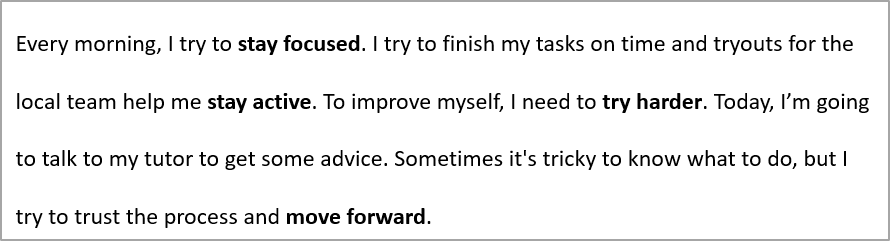
Ví dụ dưới đây đặt khoảng cách trong đoạn đầu tiên thành 200% chiều cao dòng (gấp đôi khoảng cách):
import com.aspose.slides.*;

Presentation presentation = new Presentation("sample.pptx");
try {
    ISlide slide = presentation.getSlides().get_Item(0);

    IAutoShape autoShape = (IAutoShape)slide.getShapes().get_Item(0);

    IParagraph paragraph = autoShape.getTextFrame().getParagraphs().get_Item(0);
    paragraph.getParagraphFormat().setSpaceWithin(200);

    presentation.save("line_spacing.pptx", SaveFormat.Pptx);
} finally {
    presentation.dispose();
}
Kết quả:
Kiểm Soát Ngắt Dòng
Các quy tắc ngắt dòng của đoạn hữu ích trong các khối văn bản hẹp và các bản trình chiếu kết hợp văn bản Latin và Đông Á. Các phương thức sau thuộc về IParagraphFormat, vì vậy chúng áp dụng cho toàn bộ đoạn:
- setLatinLineBreak kiểm soát quy tắc ngắt dòng Latin. Trong văn bản hỗn hợp, việc thay đổi nó cũng có thể thay đổi vị trí các ký tự và dấu câu Đông Á liền kề được ngắt dòng.
- setEastAsianLineBreak kiểm soát quy tắc ngắt dòng Đông Á, bao gồm các hạn chế về ký tự ở đầu và cuối dòng.
Các quy tắc này không thay thế ITextFrameFormat.setWrapText, vốn cho phép tự động ngắt dòng trong một khung văn bản. Chúng ảnh hưởng đến bố cục khi ngắt dòng xảy ra; chúng không chèn ký tự ngắt dòng. Một ký tự ngắt dòng rõ ràng buộc một dòng mới trong đoạn bất kể chiều rộng có sẵn.
Ví dụ độc lập dưới đây tạo một khối văn bản hẹp chứa văn bản tiếng Trung và Latin. Nó đặt cả hai tùy chọn ngắt dòng một cách rõ ràng và lưu “line_breaking.pptx”. Để thử nghiệm bất kỳ quy tắc nào, thay đổi giá trị tương ứng trong khi giữ các cài đặt khác không đổi. Ví dụ sử dụng Arial 24 điểm và SimSun với chiều rộng khung 160 điểm và lề ngang của khung bằng 0. ITextFrameFormat.setAutofitType được gọi với TextAutofitType.None để kích thước văn bản và kích thước khung giữ nguyên.
import com.aspose.slides.*;
import java.awt.Color;

Presentation presentation = new Presentation();
try {
    ISlide slide = presentation.getSlides().get_Item(0);

    IAutoShape shape = slide.getShapes().addAutoShape(ShapeType.Rectangle, 50, 50, 160, 300);
    shape.getFillFormat().setFillType(FillType.NoFill);

    ITextFrame textFrame = shape.getTextFrame();
    textFrame.getTextFrameFormat().setWrapText(NullableBool.True);
    textFrame.getTextFrameFormat().setAutofitType(TextAutofitType.None);
    textFrame.getTextFrameFormat().setMarginLeft(0);
    textFrame.getTextFrameFormat().setMarginRight(0);

    IParagraph paragraph = textFrame.getParagraphs().get_Item(0);
    paragraph.setText("中文排版测试,PowerPoint 中文演示。");

    IParagraphFormat format = paragraph.getParagraphFormat();
    format.setAlignment(TextAlignment.Left);
    format.getDefaultPortionFormat().setFontHeight(24);
    FontData latinFont = new FontData("Arial");
    format.getDefaultPortionFormat().setLatinFont(latinFont);
    FontData eastAsianFont = new FontData("SimSun");
    format.getDefaultPortionFormat().setEastAsianFont(eastAsianFont);
    format.getDefaultPortionFormat().getFillFormat().setFillType(FillType.Solid);
    format.getDefaultPortionFormat().getFillFormat().getSolidFillColor().setColor(Color.BLACK);
    format.setLatinLineBreak(NullableBool.False);
    format.setEastAsianLineBreak(NullableBool.True);

    presentation.save("line_breaking.pptx", SaveFormat.Pptx);
} finally {
    presentation.dispose();
}
Kiểm Soát Dấu Câu Treo
IParagraphFormat.setHangingPunctuation cho phép các dấu câu đủ điều kiện kéo ra ngoài cạnh phải của dòng văn bản thay vì chiếm dòng tiếp theo. Nó áp dụng cho toàn bộ đoạn và khác với thụt lề treo.
Ví dụ độc lập dưới đây bật dấu câu treo trong một khung văn bản rộng 100 điểm và lưu “hanging_punctuation.pptx”. Với Arial 24 điểm và lề ngang khung bằng 0, dấu chấm cuối cùng vẫn ở sau “sentence” và kéo ra ngoài cạnh phải của văn bản. Đặt thuộc tính thành NullableBool.False để so sánh: với các cài đặt này, dấu chấm chiếm một dòng riêng. Ngắt dòng được bật và tự điều chỉnh bị tắt để giữ chiều rộng khả dụng cố định.
import com.aspose.slides.*;
import java.awt.Color;

Presentation presentation = new Presentation();
try {
    ISlide slide = presentation.getSlides().get_Item(0);

    IAutoShape shape = slide.getShapes().addAutoShape(ShapeType.Rectangle, 50, 50, 100, 200);
    shape.getFillFormat().setFillType(FillType.NoFill);

    ITextFrame textFrame = shape.getTextFrame();
    textFrame.getTextFrameFormat().setWrapText(NullableBool.True);
    textFrame.getTextFrameFormat().setAutofitType(TextAutofitType.None);
    textFrame.getTextFrameFormat().setMarginLeft(0);
    textFrame.getTextFrameFormat().setMarginRight(0);

    IParagraph paragraph = textFrame.getParagraphs().get_Item(0);
    paragraph.setText("Simple text, next sentence.");

    IParagraphFormat format = paragraph.getParagraphFormat();
    format.setAlignment(TextAlignment.Left);
    format.getDefaultPortionFormat().setFontHeight(24);
    FontData latinFont = new FontData("Arial");
    format.getDefaultPortionFormat().setLatinFont(latinFont);
    format.getDefaultPortionFormat().getFillFormat().setFillType(FillType.Solid);
    format.getDefaultPortionFormat().getFillFormat().getSolidFillColor().setColor(Color.BLACK);
    format.setHangingPunctuation(NullableBool.True);

    presentation.save("hanging_punctuation.pptx", SaveFormat.Pptx);
} finally {
    presentation.dispose();
}
Không phải mọi dấu câu đều có thể treo. Các điều kiện phông chữ và bố cục được mô tả ở trên cũng áp dụng cho so sánh này: thay đổi phông chữ, chiều rộng khả dụng, lề hoặc cài đặt tự điều chỉnh có thể làm mất sự khác biệt nhìn thấy.
Đặt Kiểu Tự Điều Chỉnh cho Khung Văn Bản
ITextFrameFormat.setAutofitType xác định cách văn bản hành xử khi vượt quá giới hạn của container. Sử dụng nó để kiểm soát liệu văn bản có co lại, tràn ra ngoài, hay tự động thay đổi kích thước hình dạng. Ví dụ dưới đây cấu hình hình dạng để đổi kích thước phù hợp với văn bản và lưu kết quả thành “autofit_type.pptx”.
import com.aspose.slides.*;

Presentation presentation = new Presentation("sample.pptx");
try {
    ISlide slide = presentation.getSlides().get_Item(0);

    IAutoShape autoShape = (IAutoShape)slide.getShapes().get_Item(0);
    autoShape.getTextFrame().getTextFrameFormat().setAutofitType(TextAutofitType.Shape);

    presentation.save("autofit_type.pptx", SaveFormat.Pptx);
} finally {
    presentation.dispose();
}
Để đếm số dòng sau khi tự động ngắt dòng và xem cách thay đổi chiều rộng văn bản hoặc hình dạng ảnh hưởng đến kết quả, xem Đếm Các Dòng Đã Render. Số lượng dòng một mình không cho biết liệu văn bản có tràn ra ngoài container hay không.
Đặt Neo cho Khung Văn Bản
ITextFrameFormat.setAnchoringType xác định cách văn bản được định vị theo chiều dọc bên trong một hình dạng, ví dụ: ở trên, giữa hoặc dưới. Ví dụ dưới đây neo văn bản vào đáy của hình dạng đầu tiên và lưu kết quả thành “text_anchor.pptx”.
import com.aspose.slides.*;

Presentation presentation = new Presentation("sample.pptx");
try {
    ISlide slide = presentation.getSlides().get_Item(0);

    IAutoShape autoShape = (IAutoShape)slide.getShapes().get_Item(0);
    autoShape.getTextFrame().getTextFrameFormat().setAnchoringType(TextAnchorType.Bottom);

    presentation.save("text_anchor.pptx", SaveFormat.Pptx);
} finally {
    presentation.dispose();
}
Đặt Tab cho Văn Bản
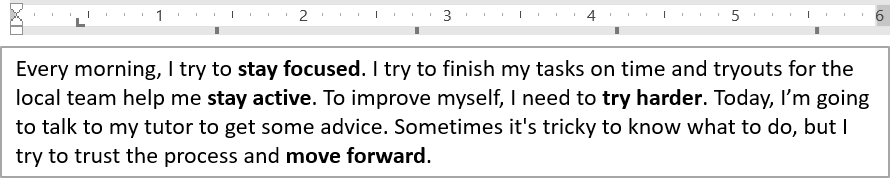
Sử dụng IParagraphFormat.setDefaultTabSize và IParagraphFormat.getTabs để cấu hình các vị trí tab trong một đoạn. Ví dụ dưới đây đặt khoảng cách tab mặc định là 100 điểm và thêm một vị trí tab căn trái tại 30 điểm. Các cài đặt này ảnh hưởng đến văn bản có ký tự tab.
import com.aspose.slides.*;

Presentation presentation = new Presentation("sample.pptx");
try {
    ISlide slide = presentation.getSlides().get_Item(0);

    IAutoShape autoShape = (IAutoShape)slide.getShapes().get_Item(0);

    IParagraph paragraph = autoShape.getTextFrame().getParagraphs().get_Item(0);
    paragraph.getParagraphFormat().setDefaultTabSize(100);
    paragraph.getParagraphFormat().getTabs().add(30, TabAlignment.Left);

    presentation.save("paragraph_tabs.pptx", SaveFormat.Pptx);
} finally {
    presentation.dispose();
}
Kết quả:
Đặt Ngôn Ngữ Kiểm Tra Chính Tả
Aspose.Slides cung cấp IBasePortionFormat.setLanguageId, cho phép bạn đặt ngôn ngữ kiểm tra chính tả cho một phần văn bản. Ngôn ngữ kiểm tra xác định ngôn ngữ được sử dụng cho việc kiểm tra chính tả và ngữ pháp trong PowerPoint.
Ví dụ dưới đây yêu cầu “presentation.pptx” có một hộp văn bản làm hình dạng đầu tiên trên slide đầu tiên và ít nhất một đoạn. Nó thay thế nội dung của đoạn đầu tiên bằng “1。”, đặt SimSun làm phông chữ và gán ngôn ngữ kiểm tra tiếng Trung giản thể (zh-CN). Sau đó lưu kết quả thành “proofing_language.pptx”:
import com.aspose.slides.*;

Presentation presentation = new Presentation("presentation.pptx");
try {
    ISlide slide = presentation.getSlides().get_Item(0);
    IAutoShape autoShape = (IAutoShape)slide.getShapes().get_Item(0);

    IParagraph paragraph = autoShape.getTextFrame().getParagraphs().get_Item(0);
    paragraph.getPortions().clear();

    FontData font = new FontData("SimSun");

    Portion textPortion = new Portion();
    textPortion.getPortionFormat().setComplexScriptFont(font);
    textPortion.getPortionFormat().setEastAsianFont(font);
    textPortion.getPortionFormat().setLatinFont(font);

    // Đặt Id của ngôn ngữ kiểm tra chính tả.
    textPortion.getPortionFormat().setLanguageId("zh-CN");

    textPortion.setText("1。");
    paragraph.getPortions().add(textPortion);

    presentation.save("proofing_language.pptx", SaveFormat.Pptx);
} finally {
    presentation.dispose();
}
Đặt Ngôn Ngữ Mặc Định
Sử dụng LoadOptions.setDefaultTextLanguage để xác định ngôn ngữ mặc định cho văn bản được tạo khi tải hoặc tạo một bản trình chiếu. Ví dụ dưới đây tạo một bản trình chiếu với tiếng Anh Mỹ làm ngôn ngữ văn bản mặc định, thêm một hộp văn bản và in ra en-US cho phần văn bản đầu tiên của nó.
import com.aspose.slides.*;

LoadOptions loadOptions = new LoadOptions();
loadOptions.setDefaultTextLanguage("en-US");

Presentation presentation = new Presentation(loadOptions);
try {
    ISlide slide = presentation.getSlides().get_Item(0);

    // Thêm một hình chữ nhật mới có văn bản.
    IAutoShape shape = slide.getShapes().addAutoShape(ShapeType.Rectangle, 20, 20, 150, 50);
    shape.getTextFrame().setText("Sample text");

    // Kiểm tra ngôn ngữ của phần văn bản đầu tiên.
    IPortion portion = shape.getTextFrame().getParagraphs().get_Item(0).getPortions().get_Item(0);
    System.out.println(portion.getPortionFormat().getLanguageId());
} finally {
    presentation.dispose();
}
Đặt Kiểu Văn Bản Mặc Định
Để áp dụng định dạng văn bản mặc định ở mức bản trình chiếu, sử dụng IPresentation.getDefaultTextStyle.
Ví dụ dưới đây đặt phông chữ in đậm 14 điểm làm mặc định cho các đoạn cấp cao nhất trong một bản trình chiếu mới và lưu nó thành “default_text_style.pptx”. Văn bản có thể kế thừa các mặc định này trừ khi có định dạng cụ thể hơn ghi đè lên chúng.
import com.aspose.slides.*;

Presentation presentation = new Presentation();
try {
    // Lấy định dạng đoạn cấp cao nhất.
    IParagraphFormat paragraphFormat = presentation.getDefaultTextStyle().getLevel(0);

    if (paragraphFormat != null) {
        paragraphFormat.getDefaultPortionFormat().setFontHeight(14);
        paragraphFormat.getDefaultPortionFormat().setFontBold(NullableBool.True);
    }

    presentation.save("default_text_style.pptx", SaveFormat.Pptx);
} finally {
    presentation.dispose();
}
Trích Xuất Văn Bản với Hiệu Ứng Viết HOA
Trong PowerPoint, áp dụng hiệu ứng phông All Caps (Viết HOA) làm cho văn bản hiển thị ở dạng chữ hoa trên slide ngay cả khi ban đầu được gõ bằng chữ thường. Khi bạn lấy một phần văn bản như vậy bằng Aspose.Slides, thư viện sẽ trả về văn bản đúng như khi nhập. Để khớp với văn bản hiển thị, kiểm tra TextCapType và chuyển chuỗi trả về sang chữ hoa khi giá trị là All.
Ví dụ này yêu cầu “sample2.pptx” có một hộp văn bản làm hình dạng đầu tiên trên slide đầu tiên. Phần đầu tiên của đoạn đầu tiên chứa “Hello, Aspose!” với hiệu ứng All Caps được áp dụng, như hiển thị bên dưới.

Ví dụ mã dưới đây cho thấy cách trích xuất văn bản với hiệu ứng All Caps đã được áp dụng:
import com.aspose.slides.*;

Presentation presentation = new Presentation("sample2.pptx");
try {
    ISlide slide = presentation.getSlides().get_Item(0);

    IAutoShape autoShape = (IAutoShape)slide.getShapes().get_Item(0);
    IPortion textPortion = autoShape.getTextFrame().getParagraphs().get_Item(0).getPortions().get_Item(0);

    System.out.println("Original text: " + textPortion.getText());

    IPortionFormatEffectiveData textFormat = textPortion.getPortionFormat().getEffective();
    if (textFormat.getTextCapType() == TextCapType.All) {
        String text = textPortion.getText().toUpperCase();
        System.out.println("All-Caps effect: " + text);
    }
} finally {
    presentation.dispose();
}
Kết quả:
Original text: Hello, Aspose!
All-Caps effect: HELLO, ASPOSE!
Câu Hỏi Thường Gặp
Làm thế nào để sửa đổi văn bản trong bảng trên một slide?
Để sửa đổi văn bản trong bảng trên một slide, sử dụng ITable. Duyệt qua các ô và cập nhật mỗi ô thông qua ICell.getTextFrame và định dạng đoạn qua IParagraph.getParagraphFormat.
Làm thế nào để áp dụng màu gradient cho văn bản trên slide PowerPoint?
Để áp dụng màu gradient cho văn bản, sử dụng IBasePortionFormat.getFillFormat. Đặt IFillFormat.setFillType thành FillType.Gradient và cấu hình các điểm dừng gradient, hướng và độ trong suốt.