
Python에서 PowerPoint 프레젠테이션 테마 관리
소개
프레젠테이션 테마는 색상, 글꼴, 배경 스타일, 채우기, 선 및 효과로 구성된 일관된 집합을 정의합니다. 테마 인식 객체는 모든 시각 속성을 고정값으로 저장하는 대신 이러한 공유 정의를 참조하므로 테마를 변경하면 여러 객체를 한 번에 업데이트할 수 있습니다.
Aspose.Slides에서 프레젠테이션 수준의 테마는 Presentation.master_theme 속성을 통해 사용할 수 있습니다. 프레젠테이션에는 하위 수준에서도 테마 재정의가 포함될 수 있습니다. 마스터는 MasterThemeManager.override_theme을 통해 프레젠테이션 테마를 재정의할 수 있고, 레이아웃은 BaseOverrideThemeManager.override_theme을 통해 상속된 테마를 재정의할 수 있으며, 개별 슬라이드도 동일하게 할 수 있습니다. 실제로 슬라이드에 적용되는 유효 테마는 다음과 같은 상속 체인을 통해 결정됩니다: 프레젠테이션 테마 → 마스터 재정의 → 레이아웃 재정의 → 슬라이드 재정의.
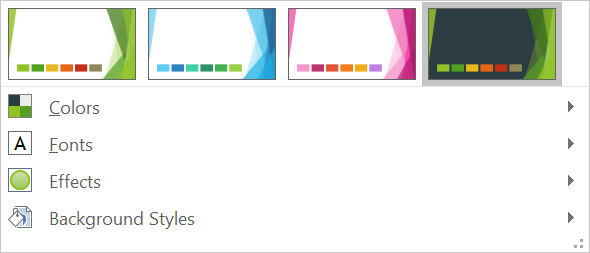
아래 섹션에서는 가장 일반적인 테마 작업 흐름을 보여줍니다: 테마 검사, 색상 및 글꼴 변경, 테마 복사 또는 적용, 배경 및 효과 스타일 업데이트, 그리고 상속 및 재정의가 해결된 후 유효 값을 읽는 방법.
테마 검사
MasterTheme 객체는 테마의 color_scheme, font_scheme, 그리고 format_scheme 속성을 노출합니다. 변경하기 전에 이러한 컬렉션을 검사하면 특히 외부 소스에서 가져온 프레젠테이션의 경우 스타일 항목 수와 내용이 다양할 수 있기 때문에 유용합니다.
다음 예제는 주요 테마 속성을 읽고 테마에 저장된 배경, 채우기, 선 및 효과 스타일의 개수를 보고합니다:
import aspose.slides as slides

with slides.Presentation("input.pptx") as presentation:
    theme = presentation.master_theme
    print(f"Theme name: {theme.name}")
    print(f"Accent 1: {theme.color_scheme.accent1.color}")
    print(f"Major Latin font: {theme.font_scheme.major.latin_font.font_name}")
    print(f"Minor Latin font: {theme.font_scheme.minor.latin_font.font_name}")
    print(f"Background fill styles: {len(theme.format_scheme.background_fill_styles)}")
    print(f"Fill styles: {len(theme.format_scheme.fill_styles)}")
    print(f"Line styles: {len(theme.format_scheme.line_styles)}")
    print(f"Effect styles: {len(theme.format_scheme.effect_styles)}")
파일에 여러 마스터가 사용된 경우 모든 슬라이드가 동일한 유효 테마를 갖는다고 가정하지 마십시오. 슬라이드와 연결된 마스터를 검사하고, 레이아웃 또는 슬라이드 재정의가 존재할 수 있는 경우 본 문서 후반에 소개된 유효‑테마 작업 흐름을 사용하십시오.
테마 색상 변경
테마 인식 채우기, 선 및 텍스트는 SchemeColor 열거형의 논리 색상을 참조할 수 있습니다. 테마의 ColorScheme에서 해당 항목을 변경하면 해당 테마 색상을 여전히 참조하고 있는 모든 객체가 새 값으로 업데이트됩니다. 직접 RGB 색상을 사용하는 객체는 테마 색상 업데이트에 영향을 받지 않습니다.
다음 엔드‑투‑엔드 예제는 ACCENT4를 사용하는 도형을 만든 뒤 테마의 accent4 색상을 빨간색으로 변경하고, 프레젠테이션을 저장한 뒤 다시 열어 유효 채우기 색상을 출력합니다:
import aspose.pydrawing as draw
import aspose.slides as slides

with slides.Presentation() as presentation:
    slide = presentation.slides[0]
    shape = slide.shapes.add_auto_shape(slides.ShapeType.RECTANGLE, 10, 10, 100, 100)
    shape.fill_format.fill_type = slides.FillType.SOLID
    shape.fill_format.solid_fill_color.scheme_color = slides.SchemeColor.ACCENT4
    presentation.master_theme.color_scheme.accent4.color = draw.Color.red
    presentation.save("theme-color.pptx", slides.export.SaveFormat.PPTX)

with slides.Presentation("theme-color.pptx") as saved_presentation:
    saved_slide = saved_presentation.slides[0]
    saved_shape = saved_slide.shapes[0]
    effective_fill = saved_shape.fill_format.get_effective()
    print(f"Effective fill color: {effective_fill.solid_fill_color}")
사각형이 ACCENT4에 계속 연결되어 있기 때문에 테마가 변경되면 표시 색상이 빨간색으로 바뀝니다. 도형에 직접 색상을 지정하면 이후 accent4 변경이 해당 채우기에 영향을 주지 않습니다.
추가 팔레트의 색상 사용
PowerPoint는 테마 색상에 색상 변환을 적용하여 밝고 어두운 변형을 생성합니다. Aspose.Slides는 이러한 변환을 ColorTransformOperation 열거형을 통해 노출합니다.
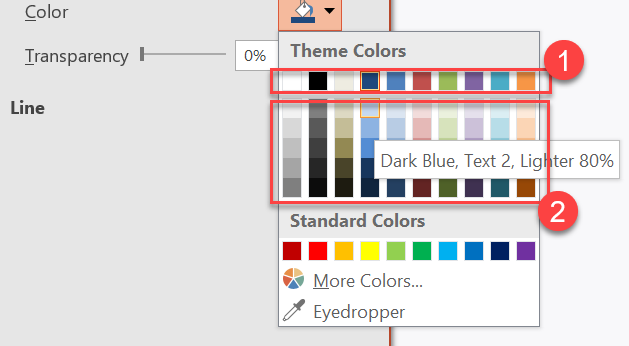
1 - 기본 테마 색상.
2 - 기본 테마 색상에서 파생된 밝고 어두운 변형.
다음 예제는 ACCENT4를 기반으로 여섯 개의 사각형을 만든 뒤 다섯 개에 광도 변환을 적용하고 결과를 저장합니다:
import aspose.slides as slides

with slides.Presentation() as presentation:
    slide = presentation.slides[0]
    shape1 = slide.shapes.add_auto_shape(slides.ShapeType.RECTANGLE, 10, 10, 50, 50)
    shape1.fill_format.fill_type = slides.FillType.SOLID
    shape1.fill_format.solid_fill_color.scheme_color = slides.SchemeColor.ACCENT4
    shape2 = slide.shapes.add_auto_shape(slides.ShapeType.RECTANGLE, 10, 70, 50, 50)
    shape2.fill_format.fill_type = slides.FillType.SOLID
    shape2.fill_format.solid_fill_color.scheme_color = slides.SchemeColor.ACCENT4
    shape2.fill_format.solid_fill_color.color_transform.add(slides.ColorTransformOperation.MULTIPLY_LUMINANCE, 0.2)
    shape2.fill_format.solid_fill_color.color_transform.add(slides.ColorTransformOperation.ADD_LUMINANCE, 0.8)
    shape3 = slide.shapes.add_auto_shape(slides.ShapeType.RECTANGLE, 10, 130, 50, 50)
    shape3.fill_format.fill_type = slides.FillType.SOLID
    shape3.fill_format.solid_fill_color.scheme_color = slides.SchemeColor.ACCENT4
    shape3.fill_format.solid_fill_color.color_transform.add(slides.ColorTransformOperation.MULTIPLY_LUMINANCE, 0.4)
    shape3.fill_format.solid_fill_color.color_transform.add(slides.ColorTransformOperation.ADD_LUMINANCE, 0.6)
    shape4 = slide.shapes.add_auto_shape(slides.ShapeType.RECTANGLE, 10, 190, 50, 50)
    shape4.fill_format.fill_type = slides.FillType.SOLID
    shape4.fill_format.solid_fill_color.scheme_color = slides.SchemeColor.ACCENT4
    shape4.fill_format.solid_fill_color.color_transform.add(slides.ColorTransformOperation.MULTIPLY_LUMINANCE, 0.6)
    shape4.fill_format.solid_fill_color.color_transform.add(slides.ColorTransformOperation.ADD_LUMINANCE, 0.4)
    shape5 = slide.shapes.add_auto_shape(slides.ShapeType.RECTANGLE, 10, 250, 50, 50)
    shape5.fill_format.fill_type = slides.FillType.SOLID
    shape5.fill_format.solid_fill_color.scheme_color = slides.SchemeColor.ACCENT4
    shape5.fill_format.solid_fill_color.color_transform.add(slides.ColorTransformOperation.MULTIPLY_LUMINANCE, 0.75)
    shape6 = slide.shapes.add_auto_shape(slides.ShapeType.RECTANGLE, 10, 310, 50, 50)
    shape6.fill_format.fill_type = slides.FillType.SOLID
    shape6.fill_format.solid_fill_color.scheme_color = slides.SchemeColor.ACCENT4
    shape6.fill_format.solid_fill_color.color_transform.add(slides.ColorTransformOperation.MULTIPLY_LUMINANCE, 0.5)
    presentation.save("theme-color-palette.pptx", slides.export.SaveFormat.PPTX)
이 변형은 여전히 테마 색상을 기반으로 합니다. accent4가 나중에 변경되면 변환된 색상이 새로운 accent4 값에서 다시 계산됩니다.
SchemeColor 값을 ColorScheme 슬롯에 매핑
SchemeColor 열거형은 TEXT1, BACKGROUND1, TEXT2, BACKGROUND2를 사용하고, ColorScheme은 동일한 테마 슬롯을 dark1, light1, dark2, light2로 노출합니다. 매핑은 고정됩니다:
TEXT1=dark1BACKGROUND1=light1TEXT2=dark2BACKGROUND2=light2
이는 동일한 테마 슬롯에 대한 대체 이름일 뿐이며, 한 형태에서 다른 형태로 동적으로 변환되는 값이 아닙니다.
테마 글꼴 변경
테마 글꼴 스키마에는 제목용 주요 글꼴 세트와 본문용 보조 글꼴 세트가 포함됩니다. FontScheme.major 및 FontScheme.minor 속성이 해당 세트를 노출합니다.
PowerPoint 호환 테마 글꼴 식별자는 텍스트 서식에 사용할 수 있습니다:
+mn-lt- 본문 글꼴 라틴어 (Minor Latin Font)+mj-lt- 제목 글꼴 라틴어 (Major Latin Font)+mn-ea- 본문 글꼴 동아시아어 (Minor East Asian Font)+mj-ea- 제목 글꼴 동아시아어 (Major East Asian Font)
다음 예제는 주요 라틴 테마 글꼴을 사용하는 제목 하나와 보조 라틴 테마 글꼴을 사용하는 본문 줄 하나를 만든 뒤 테마 글꼴을 변경하고 결과를 저장합니다:
import aspose.slides as slides

with slides.Presentation() as presentation:
    slide = presentation.slides[0]
    heading = slide.shapes.add_auto_shape(slides.ShapeType.RECTANGLE, 40, 40, 500, 60)
    heading.text_frame.text = "Theme heading"
    heading.text_frame.paragraphs[0].portions[0].portion_format.latin_font = slides.FontData("+mj-lt")
    body = slide.shapes.add_auto_shape(slides.ShapeType.RECTANGLE, 40, 120, 500, 60)
    body.text_frame.text = "Theme body text"
    body.text_frame.paragraphs[0].portions[0].portion_format.latin_font = slides.FontData("+mn-lt")
    presentation.master_theme.font_scheme.major.latin_font = slides.FontData("Aptos Display")
    presentation.master_theme.font_scheme.minor.latin_font = slides.FontData("Arial")
    presentation.save("theme-fonts.pptx", slides.export.SaveFormat.PPTX)
제목은 주요 글꼴을 따르고 본문 텍스트는 보조 글꼴을 따릅니다. 테마 식별자가 아닌 명시적 글꼴 이름을 가진 텍스트는 테마 글꼴 스키마가 변경되어도 자동으로 전환되지 않습니다.
주요 및 보조 글꼴 컬렉션에는 키릴 문자, 아라비아어, 일본어, 그루지야어 및 타아나와 같은 개별 쓰기 시스템에 대한 글꼴 매핑도 포함될 수 있습니다. 이러한 매핑을 검사, 추가, 교체 또는 제거하려면 Script‑Specific Theme Fonts를 참조하십시오.
Tip
프레젠테이션 글꼴에 대한 자세한 내용은 PowerPoint Fonts를 확인하십시오.테마 복사 또는 적용
아래 작업 흐름은 서로 다른 테마 관련 문제를 해결합니다.
외부 테마를 마스터에 종속된 슬라이드에 적용
PowerPoint 테마 파일(.thmx)이 있고 특정 마스터에 종속된 모든 슬라이드의 스타일을 변경하려면 IMasterSlide.apply_external_theme_to_depending_slides를 사용하십시오. Presentation.masters 컬렉션에서 마스터를 선택하고, 해당 마스터는 MasterSlideCollection을 구현하며, 메서드에 테마 파일 경로를 전달합니다.
이 메서드는 다음 작업을 수행합니다:
- 선택한 마스터를 기반으로 새 마스터 슬라이드를 생성합니다.
- 외부 테마를 새 마스터에 적용합니다.
- 이전에 선택한 마스터에 종속된 모든 슬라이드에 새 마스터를 할당합니다.
- 새로 생성된 IMasterSlide을 반환합니다.
다음 예제는 첫 번째 마스터에 종속된 슬라이드에 외부 테마를 적용하고 프레젠테이션을 저장합니다:
import aspose.slides as slides

with slides.Presentation("presentation.pptx") as presentation:
    selected_master = presentation.masters[0]
    themed_master = selected_master.apply_external_theme_to_depending_slides("corporate-theme.thmx")

    print(f"Created master: {themed_master.name}")
    presentation.save("presentation-with-external-theme.pptx", slides.export.SaveFormat.PPTX)
잘못되었거나 손상되었거나 지원되지 않는 테마는 PptxException 또는 해당 형식 관련 하위 클래스가 발생할 수 있습니다. 사용자 제공 경로를 검증하고 파일 시스템 접근 실패를 처리하며, 테마 적용이 성공적으로 완료된 후에만 프레젠테이션을 저장하십시오.
선택한 마스터에 종속된 슬라이드만 재할당됩니다. 다른 마스터와 연결된 슬라이드는 기존 마스터와 테마를 유지합니다. 테마 인식 색상, 글꼴, 채우기, 선, 배경 및 효과는 외부 테마에 따라 해석됩니다. 직접 할당된 색상, 글꼴, 채우기 및 기타 명시적 서식은 변경되지 않을 수 있습니다. 레이아웃 수준 및 슬라이드 수준 재정의가 새 마스터에서 상속된 값보다 우선할 수 있습니다.
테마는 런타임 환경에 없는 글꼴을 참조할 수 있습니다. 일관된 렌더링 및 내보내기를 위해 필요한 글꼴을 설치하거나 custom font sources를 통해 제공하거나 font substitution을 구성하십시오.
이 작업 흐름은 마스터 수준에서 직접 수행됩니다: 메서드는 .thmx 파일 경로를 받아 슬라이드 수준이나 레이아웃 수준의 테마 재정의를 수동으로 만들 필요가 없습니다.
다중 마스터 프레젠테이션에서 서로 다른 외부 테마 적용
대상 마스터를 미리 알 수 없는 경우 Slide.layout_slide 및 LayoutSlide.master_slide을 통해 대표 슬라이드에서 마스터를 가져옵니다. 테마를 적용하기 전에 원본 마스터 참조를 저장하십시오. 각 호출은 프레젠테이션에 새로운 마스터를 생성합니다.
다음 예제는 두 섹션의 슬라이드를 사용해 각 마스터를 찾고, 각 그룹에 서로 다른 외부 테마를 적용합니다:
import aspose.slides as slides

with slides.Presentation("multi-master-presentation.pptx") as presentation:
    if len(presentation.slides) < 5:
        print("The presentation does not contain the expected representative slides.")
    else:
        first_group_master = presentation.slides[0].layout_slide.master_slide
        second_group_master = presentation.slides[4].layout_slide.master_slide

        if first_group_master.slide_id == second_group_master.slide_id:
            print("The representative slides use the same master.")
        else:
            first_themed_master = first_group_master.apply_external_theme_to_depending_slides("blue-theme.thmx")
            second_themed_master = second_group_master.apply_external_theme_to_depending_slides("green-theme.thmx")

            print(f"First themed master: {first_themed_master.name}")
            print(f"Second themed master: {second_themed_master.name}")
            presentation.save("multi-master-with-external-themes.pptx", slides.export.SaveFormat.PPTX)
첫 번째 호출은 first_group_master에 종속된 슬라이드에만 영향을 주고, 두 번째 호출은 second_group_master에 종속된 슬라이드에만 영향을 줍니다. 다른 마스터에 속한 슬라이드는 재스타일링되지 않습니다.
슬라이드 이동 시 원본 테마 보존
슬라이드를 다른 프레젠테이션으로 이동하면서 원본 디자인을 유지하려면 MasterSlideCollection.add_clone로 소스 마스터를 대상 프레젠테이션에 복제한 뒤, SlideCollection.add_clone와 복제된 마스터를 사용해 슬라이드를 복제하십시오. 이렇게 하면 마스터, 레이아웃 및 연관된 테마가 함께 복사됩니다.
import aspose.slides as slides

with slides.Presentation("source-theme.pptx") as source:
    with slides.Presentation("target.pptx") as target:
        source_slide = source.slides[0]
        source_master = source_slide.layout_slide.master_slide
        cloned_master = target.masters.add_clone(source_master)
        target.slides.add_clone(source_slide, cloned_master, True)
        target.save("theme-preserved.pptx", slides.export.SaveFormat.PPTX)
이 작업 흐름은 대상에 슬라이드가 동일하게 보이도록 해야 할 때 권장됩니다. 무관한 대상 마스터에 콘텐츠만 복제하면 테마 기반 색상, 글꼴, 배경 및 효과가 변경될 수 있습니다.
기존 슬라이드에 테마 값 적용
대상 슬라이드가 현재 마스터와 레이아웃을 유지해야 하는 경우 소스 테마에서 슬라이드 수준 재정의를 초기화합니다. OverrideTheme.init_color_scheme_from, OverrideTheme.init_font_scheme_from, 그리고 OverrideTheme.init_format_scheme_from 메서드는 세 가지 주요 테마 구성 요소를 재정의에 복사합니다.
import aspose.slides as slides

with slides.Presentation("source-theme.pptx") as source:
    with slides.Presentation("target.pptx") as target:
        target_slide = target.slides[0]
        override_theme = target_slide.theme_manager.override_theme
        override_theme.init_color_scheme_from(source.master_theme.color_scheme)
        override_theme.init_font_scheme_from(source.master_theme.font_scheme)
        override_theme.init_format_scheme_from(source.master_theme.format_scheme)
        target.save("theme-applied-to-slide.pptx", slides.export.SaveFormat.PPTX)
이렇게 하면 다른 슬라이드가 상속받는 테마는 변경하지 않고 해당 슬라이드에만 테마가 적용됩니다. 로컬 재정의를 제거하고 상속값으로 돌아가려면 OverrideTheme.clear를 호출하십시오.
레이아웃에 테마 재정의 적용
레이아웃 수준 재정의는 해당 레이아웃을 사용하는 슬라이드에 적용되며, 개별 슬라이드에 자체 재정의가 없는 경우에만 적용됩니다. 동일한 초기화 메서드는 레이아웃의 LayoutSlideThemeManager를 통해 사용할 수 있습니다:
import aspose.slides as slides

with slides.Presentation("source-theme.pptx") as source:
    with slides.Presentation("target.pptx") as target:
        target_slide = target.slides[0]
        override_theme = target_slide.layout_slide.theme_manager.override_theme
        override_theme.init_color_scheme_from(source.master_theme.color_scheme)
        override_theme.init_font_scheme_from(source.master_theme.font_scheme)
        override_theme.init_format_scheme_from(source.master_theme.format_scheme)
        target.save("theme-applied-to-layout.pptx", slides.export.SaveFormat.PPTX)
많은 레이아웃과 슬라이드가 동일한 기본 디자인을 공유해야 할 때는 마스터 또는 프레젠테이션 수준 테마를 사용하고, 특정 레이아웃군에 다른 스타일이 필요할 때는 레이아웃 재정의를, 실제 예외에 대해서만 슬라이드 재정의를 사용하십시오. 과도한 슬라이드 수준 재정의는 이후 전역 테마 변경을 예측하기 어렵게 만듭니다.
테마 배경 스타일 업데이트
테마의 배경 채우기는 FormatScheme.background_fill_styles에 저장됩니다. PowerPoint UI에서는 이 컬렉션에 물리적으로 저장된 채우기 정의보다 더 많은 배경 옵션을 제공할 수 있는데, 이는 UI가 테마 채우기와 테마 색상 및 다른 스타일 참조를 결합하기 때문입니다.
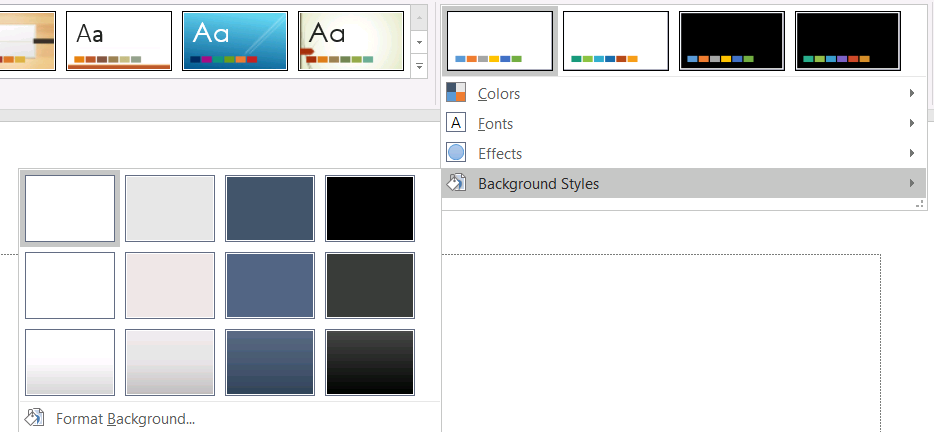
배경 스타일을 사용하기 전에 저장된 컬렉션과 현재 Background.style_index를 검사하십시오. style_index가 0이면 테마 채우기가 없음을 의미하고, 양수값은 테마 배경‑스타일 참조를 의미합니다. 이는 파이썬 컬렉션을 직접 인덱싱하는 방식([0]이 첫 번째 항목)과 다릅니다. 모든 프레젠테이션에 동일한 배경 채우기 스타일 수가 있다고 가정하지 마십시오.
다음 예제는 사용 가능한 배경 채우기 개수를 보고하고, 첫 번째 마스터에 테마 배경 참조를 할당한 뒤 프레젠테이션을 저장합니다:
import aspose.slides as slides

with slides.Presentation("input.pptx") as presentation:
    background_styles = presentation.master_theme.format_scheme.background_fill_styles
    print(f"Background fill styles: {len(background_styles)}")
    if len(background_styles) == 0:
        raise RuntimeError("The presentation theme does not contain background fill styles.")
    master_slide = presentation.masters[0]
    master_slide.background.type = slides.BackgroundType.THEMED
    master_slide.background.style_index = 1
    presentation.save("theme-background.pptx", slides.export.SaveFormat.PPTX)
보이는 결과는 마스터가 참조하는 테마 항목과 레이아웃 또는 슬라이드 수준의 배경 재정의 여부에 따라 달라집니다. 슬라이드가 자체 배경을 사용하고 있다면 마스터 배경만 변경해도 해당 슬라이드에는 영향을 주지 않을 수 있습니다. 최종 상속된 배경을 알아야 할 경우 Background.get_effective를 사용하십시오.
Warning
style_index를 0 기반 컬렉션 인덱스로 취급하지 마십시오. 또한 한 파일에서 사용한 스타일 번호를 하드코딩하여 다른 파일에서도 동일한 모양을 가질 것이라고 가정하지 마십시오; 테마 스타일 정의는 프레젠테이션마다 다릅니다.
Tip
직접 배경 서식 및 배경 상속에 대해서는 Presentation Background를 참조하십시오.테마 효과 업데이트
테마 형식 스키마는 별도의 FormatScheme.fill_styles, FormatScheme.line_styles, 그리고 FormatScheme.effect_styles 컬렉션을 포함합니다. 일반적인 Office 테마는 미묘함, 보통, 강렬함에 해당하는 세 가지 주요 스타일 항목을 포함하지만, 코드는 고정된 개수를 가정하지 말고 각 컬렉션을 검사해야 합니다.
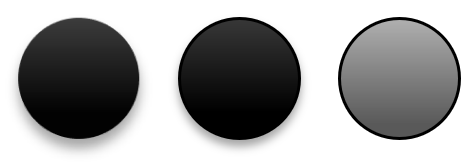
파이썬에서 이러한 컬렉션에 접근할 때 인덱스는 0 기반이며, [0]은 첫 번째 저장된 스타일, [2]는 세 번째 스타일을 의미합니다. 도형의 스타일‑참조 인덱스는 별개의 개념으로, IShapeStyle을 통해 노출됩니다. 테마 스타일을 수정하면 해당 테마 스타일을 참조하는 도형에 영향을 주며, 직접 서식이 적용된 도형은 변경되지 않을 수 있습니다.
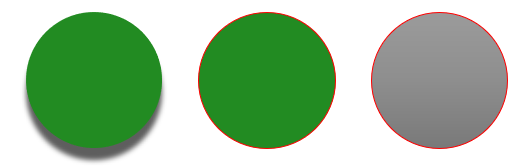
다음 예제는 필요한 스타일 항목이 존재하는지 확인하고, 첫 번째 선 스타일을 변경하고, 세 번째 채우기 스타일을 변경하고, 세 번째 효과 스타일에 외부 그림자를 적용한 뒤 결과를 저장합니다:
import aspose.pydrawing as draw
import aspose.slides as slides

with slides.Presentation("Subtle_Moderate_Intense.pptx") as presentation:
    format_scheme = presentation.master_theme.format_scheme
    if len(format_scheme.line_styles) < 1 or len(format_scheme.fill_styles) < 3 or len(format_scheme.effect_styles) < 3:
        raise RuntimeError("The theme does not contain the style entries required by this example.")
    format_scheme.line_styles[0].fill_format.fill_type = slides.FillType.SOLID
    format_scheme.line_styles[0].fill_format.solid_fill_color.color = draw.Color.red
    format_scheme.fill_styles[2].fill_type = slides.FillType.SOLID
    format_scheme.fill_styles[2].solid_fill_color.color = draw.Color.forest_green
    format_scheme.effect_styles[2].effect_format.enable_outer_shadow_effect()
    format_scheme.effect_styles[2].effect_format.outer_shadow_effect.distance = 10
    presentation.save("theme-effects.pptx", slides.export.SaveFormat.PPTX)
해당 슬롯을 참조하는 도형에 대해 첫 번째 테마 선 스타일은 빨간색이 되고, 세 번째 테마 채우기 스타일은 단색 포레스트 그린이 되며, 세 번째 효과 스타일은 거리 10포인트의 외부 그림자를 얻게 됩니다. 정확한 시각적 결과는 각 도형이 어떤 슬롯을 참조하는지와 직접 서식이 테마를 재정의하는지에 따라 달라집니다.
유효한 단색 채우기가 테마 색상을 사용하는지 확인
채우기는 객체에 직접 저장되거나 단락, 레이아웃, 마스터, 테마 스타일 또는 다른 서식 수준에서 상속될 수 있습니다. FillFormat.get_effective를 호출하면 해당 계층 구조가 불변의 IFillFormatEffectiveData로 해석됩니다. 먼저 IFillFormatEffectiveData.fill_type을 확인하십시오. FillType.SOLID인 경우에만 단색 채우기 속성을 읽어야 합니다.
단색 채우기에 대해 IFillFormatEffectiveData.solid_fill_color은 상속, 테마 조회 및 색상 변환이 적용된 후의 최종 RGB 값을 반환합니다. IFillFormatEffectiveData.solid_fill_scheme_color는 TEXT1 또는 ACCENT6과 같은 논리 SchemeColor 슬롯을 반환합니다. SchemeColor.NOT_DEFINED 값은 유효 단색 채우기가 스킴 색상을 기반으로 하지 않음을 의미합니다. 테마 색상 또는 직접 RGB 색상 중 하나만 사용하는 워크플로에서는 이 값이 직접 RGB 채우기를 식별합니다.
로컬 IColorFormat.scheme_color 값을 단독으로 사용해 채우기를 분류하지 마십시오. 예를 들어 텍스트 일부는 로컬에 스킴 색상이 정의되지 않아 NOT_DEFINED이지만, 유효 채우기는 테마 색상을 상속받아 TEXT1이나 ACCENT6이 될 수 있습니다. 반대로 solid_fill_scheme_color는 어떤 논리 테마 슬롯이 최종 색상을 만든 것인지 알려 주지만, 그 슬롯이 객체, 단락, 레이아웃, 마스터 중 어디서 왔는지는 알려 주지 않습니다.
다음 예제는 프레젠테이션을 로드하고, 도형 채우기와 텍스트 부분 채우기를 모두 감사하며, 각 최종 RGB 값과 연관된 스킴 색상을 출력하고, 테마 색상 변경에 추적되지 않을 단색 채우기에 플래그를 지정합니다:
import aspose.slides as slides


def audit_fill(object_name, local_fill):
    effective_fill = local_fill.get_effective()

    if effective_fill.fill_type != slides.FillType.SOLID:
        print(f"{object_name}: fill type = {effective_fill.fill_type}; not a solid fill.")
        return

    rgb = effective_fill.solid_fill_color
    effective_scheme_color = effective_fill.solid_fill_scheme_color
    local_scheme_color = local_fill.solid_fill_color.scheme_color

    print(f"{object_name}: RGB = #{rgb.r:02X}{rgb.g:02X}{rgb.b:02X}")
    print(f"{object_name}: local scheme = {local_scheme_color}, effective scheme = {effective_scheme_color}")

    if effective_scheme_color == slides.SchemeColor.NOT_DEFINED:
        print(f"{object_name}: direct RGB or another non-scheme fill; audit as theme-independent.")
    else:
        print(f"{object_name}: theme-dependent through {effective_scheme_color}.")


with slides.Presentation("input.pptx") as presentation:
    for slide_index, slide in enumerate(presentation.slides):
        for shape_index, shape in enumerate(slide.shapes):
            shape_name = f"Slide {slide_index + 1}, shape {shape_index + 1}"
            audit_fill(shape_name, shape.fill_format)

            if isinstance(shape, slides.AutoShape):
                for paragraph_index, paragraph in enumerate(shape.text_frame.paragraphs):
                    for portion_index, portion in enumerate(paragraph.portions):
                        portion_name = f"{shape_name}, paragraph {paragraph_index + 1}, portion {portion_index + 1}"
                        audit_fill(portion_name, portion.portion_format.fill_format)
NOT_DEFINED 가지는 테마 색상 슬롯이 변경될 때 반응하지 않을 단색 채우기의 감사 목록을 제공합니다. 새 브랜드 팔레트를 적용해야 할 때 해당 객체를 검토하십시오. 보고된 RGB 값은 현재 모습을 보여 주며, 스킴 값은 그 모습이 테마와 연결되어 있는지 설명합니다.
유효‑포맷 객체는 스냅샷입니다. 프레젠테이션 테마, 테마 재정의 또는 상속된 서식을 변경한 후에는 get_effective를 다시 호출하고 새로운 IFillFormatEffectiveData 객체를 읽은 뒤 색상을 비교하거나 보고하십시오.
유효 테마 값 읽기
원시 테마 객체는 특정 수준에서 정의된 내용을 알려 주지만, 유효 값은 상속 및 로컬 재정의가 해결된 후 슬라이드나 도형이 실제로 사용하는 내용을 알려 줍니다. 슬라이드의 경우 BaseOverrideThemeManager.create_theme_effective를 호출합니다. 배경의 경우 Background.get_effective를, 채우기의 경우 FillFormat.get_effective를 사용하십시오.
다음 예제는 슬라이드에서 유효 테마, 배경 및 첫 번째 도형 채우기를 읽습니다:
import aspose.slides as slides

with slides.Presentation("input.pptx") as presentation:
    slide = presentation.slides[0]
    effective_theme = slide.theme_manager.create_theme_effective()
    effective_background = slide.background.get_effective()
    print(f"Effective major Latin font: {effective_theme.font_scheme.major.latin_font.font_name}")
    print(f"Effective minor Latin font: {effective_theme.font_scheme.minor.latin_font.font_name}")
    print(f"Effective background fill type: {effective_background.fill_format.fill_type}")
    if len(slide.shapes) > 0:
        effective_fill = slide.shapes[0].fill_format.get_effective()
        print(f"First shape effective fill type: {effective_fill.fill_type}")
        if effective_fill.fill_type == slides.FillType.SOLID:
            print(f"First shape effective fill color: {effective_fill.solid_fill_color}")
렌더링 진단, 검증 및 비교를 위해 유효 데이터를 사용하십시오. Presentation.master_theme만 검사하면 마스터, 레이아웃, 슬라이드 또는 도형 재정의로 인해 최종 모습이 바뀐 경우를 놓칠 수 있습니다.
FAQ
외부 테마를 적용하면 프레젠테이션의 모든 슬라이드에 영향을 줍니까?
아니요. IMasterSlide.apply_external_theme_to_depending_slides는 선택한 마스터에 종속된 슬라이드만 재할당합니다. 다른 마스터를 사용하는 슬라이드는 기존 테마를 유지합니다.
마스터를 변경하지 않고 단일 슬라이드에만 테마를 적용할 수 있나요?
예. 해당 슬라이드의 SlideThemeManager를 사용하고 재정의 테마를 초기화하십시오. 변경은 해당 슬라이드에만 국한되며, 다른 슬라이드는 기존 테마를 계속 상속합니다.
한 프레젠테이션에서 다른 프레젠테이션으로 테마를 안전하게 옮기는 방법은?
슬라이드를 이동하면서 원본 모습을 보존하려면 소스 마스터를 대상에 복제하고, MasterSlideCollection.add_clone와 SlideCollection.add_clone를 사용해 해당 마스터와 함께 슬라이드를 복제하십시오. 이렇게 하면 마스터, 레이아웃 및 테마가 함께 유지됩니다.
상속 및 재정의 후 유효 값을 어떻게 확인할 수 있나요?
슬라이드 또는 레이아웃 테마의 경우 BaseOverrideThemeManager.create_theme_effective를, 포맷 객체(예: Background.get_effective 및 FillFormat.get_effective)의 경우 해당 유효‑데이터 메서드를 사용하십시오. 이러한 API는 상속 및 재정의가 적용된 후 해석된 값을 반환합니다.