
Zarządzanie listami wypunktowanymi i numerowanymi w prezentacjach w Javie
Przegląd
Aspose.Slides for Java pozwala tworzyć i formatować listy wypunktowane i numerowane w prezentacjach PowerPoint i OpenDocument. Element listy to akapit, którego ustawienia wypunktowania są kontrolowane przez format akapitu.
Użyj metody IParagraph.getParagraphFormat aby uzyskać dostęp do ustawień listy na poziomie akapitu. Głównym punktem wejścia jest IParagraphFormat.getBullet, który zwraca obiekt IBulletFormat. Za pomocą tego obiektu możesz ustawić typ wypunktowania, symbol, obraz, kolor, rozmiar, styl numeracji oraz numer początkowy.
Ten artykuł pokazuje, jak:
- utworzyć listę wypunktowaną z niestandardowym symbolem
- utworzyć wypunktowanie obrazkowe
- utworzyć listę wielopoziomową, ustawiając głębokość akapitu
- utworzyć listę numerowaną
- sprawdzić i zmienić formatowanie listy w istniejącej prezentacji
Utworzyć listę wypunktowaną
Aby utworzyć listę wypunktowaną, dodaj obiekty IParagraph do ITextFrame i ustaw IBulletFormat.setType na BulletType.Symbol. Następnie możesz ustawić IBulletFormat.setChar, IBulletFormat.getColor i IBulletFormat.setHeight, aby kontrolować wygląd wypunktowania.
Następujący kod Java demonstruje, jak utworzyć listę wypunktowaną na slajdzie:
Presentation presentation = new Presentation();
try {
    ISlide slide = presentation.getSlides().get_Item(0);
    IAutoShape autoShape = slide.getShapes().addAutoShape(ShapeType.Rectangle, 20, 20, 200, 50);

    ITextFrame textFrame = autoShape.getTextFrame();
    textFrame.getParagraphs().clear();

    Color bulletColor = new Color(205, 92, 92);

    Paragraph paragraph1 = new Paragraph();
    paragraph1.getParagraphFormat().getBullet().setType(BulletType.Symbol);
    paragraph1.getParagraphFormat().getBullet().setChar('*');
    paragraph1.getParagraphFormat().setIndent(15);
    paragraph1.getParagraphFormat().getBullet().setBulletHardColor(NullableBool.True);
    paragraph1.getParagraphFormat().getBullet().getColor().setColor(bulletColor);
    paragraph1.getParagraphFormat().getBullet().setHeight(100);
    paragraph1.setText("The first paragraph");
    textFrame.getParagraphs().add(paragraph1);

    Paragraph paragraph2 = new Paragraph();
    paragraph2.getParagraphFormat().getBullet().setType(BulletType.Symbol);
    paragraph2.getParagraphFormat().getBullet().setChar('*');
    paragraph2.getParagraphFormat().setIndent(15);
    paragraph2.getParagraphFormat().getBullet().setBulletHardColor(NullableBool.True);
    paragraph2.getParagraphFormat().getBullet().getColor().setColor(bulletColor);
    paragraph2.getParagraphFormat().getBullet().setHeight(100);
    paragraph2.setText("The second paragraph");
    textFrame.getParagraphs().add(paragraph2);

    presentation.save("symbol_bullets.pptx", SaveFormat.Pptx);
} finally {
    presentation.dispose();
}
Wynik:

Utworzyć listę numerowaną
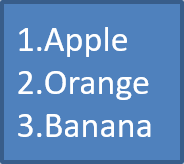
Używaj list numerowanych, gdy kolejność elementów ma znaczenie. Ustaw IBulletFormat.setType na BulletType.Numbered. Możesz także wybrać format numeracji za pomocą IBulletFormat.setNumberedBulletStyle lub ustawić IBulletFormat.setNumberedBulletStartWith, gdy lista ma zaczynać się od wartości innej niż 1.
Poniższy kod Java pokazuje, jak utworzyć listę numerowaną na slajdzie:
Presentation presentation = new Presentation();
try {
    ISlide slide = presentation.getSlides().get_Item(0);
    IAutoShape autoShape = slide.getShapes().addAutoShape(ShapeType.Rectangle, 20, 20, 90, 80);

    ITextFrame textFrame = autoShape.getTextFrame();
    textFrame.getParagraphs().clear();

    Paragraph paragraph1 = new Paragraph();
    paragraph1.getParagraphFormat().getBullet().setType(BulletType.Numbered);
    paragraph1.setText("Apple");
    textFrame.getParagraphs().add(paragraph1);

    Paragraph paragraph2 = new Paragraph();
    paragraph2.getParagraphFormat().getBullet().setType(BulletType.Numbered);
    paragraph2.setText("Orange");
    textFrame.getParagraphs().add(paragraph2);

    Paragraph paragraph3 = new Paragraph();
    paragraph3.getParagraphFormat().getBullet().setType(BulletType.Numbered);
    paragraph3.setText("Banana");
    textFrame.getParagraphs().add(paragraph3);

    presentation.save("numbered_bullets.pptx", SaveFormat.Pptx);
} finally {
    presentation.dispose();
}
Wynik:
Utworzyć wypunktowanie obrazkowe
Aspose.Slides umożliwia zastąpienie regularnego symbolu wypunktowania obrazem. Wypunktowania obrazkowe działają najlepiej z prostymi obrazami, które pozostają czytelne w małym rozmiarze, takimi jak ikony lub małe przezroczyste pliki PNG.
Aby utworzyć wypunktowanie obrazkowe, dodaj obraz do Presentation.getImages i przypisz zwrócony obiekt obrazu do IBulletFormat.getPicture. Ustaw IBulletFormat.setType na BulletType.Picture przed przypisaniem obrazu.
Załóżmy, że mamy plik “image.png”:

Poniższy kod Java pokazuje, jak utworzyć wypunktowania obrazkowe na slajdzie:
Presentation presentation = new Presentation();
try {
    ISlide slide = presentation.getSlides().get_Item(0);
    IAutoShape autoShape = slide.getShapes().addAutoShape(ShapeType.Rectangle, 20, 20, 200, 50);

    ITextFrame textFrame = autoShape.getTextFrame();
    textFrame.getParagraphs().clear();

    IPPImage bulletImage = presentation.getImages().addImage(Images.fromFile("image.png"));

    Paragraph paragraph1 = new Paragraph();
    paragraph1.getParagraphFormat().getBullet().setType(BulletType.Picture);
    paragraph1.getParagraphFormat().getBullet().getPicture().setImage(bulletImage);
    paragraph1.getParagraphFormat().setIndent(15);
    paragraph1.getParagraphFormat().getBullet().setHeight(100);
    paragraph1.setText("The first paragraph");
    textFrame.getParagraphs().add(paragraph1);

    Paragraph paragraph2 = new Paragraph();
    paragraph2.getParagraphFormat().getBullet().setType(BulletType.Picture);
    paragraph2.getParagraphFormat().getBullet().getPicture().setImage(bulletImage);
    paragraph2.getParagraphFormat().setIndent(15);
    paragraph2.getParagraphFormat().getBullet().setHeight(100);
    paragraph2.setText("The second paragraph");
    textFrame.getParagraphs().add(paragraph2);

    presentation.save("picture_bullets.pptx", SaveFormat.Pptx);
} finally {
    presentation.dispose();
}
Wynik:

Utworzyć listę wielopoziomową
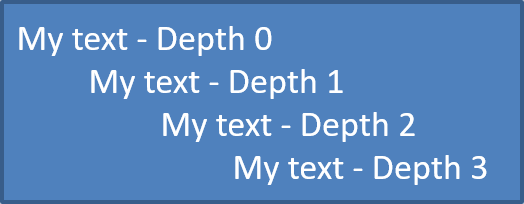
Użyj IParagraphFormat.setDepth , aby umieścić elementy listy na różnych poziomach. Poziom 0 to najwyższy poziom, poziom 1 jest zagnieżdżony pod nim, i tak dalej.
Poniższy kod Java pokazuje, jak utworzyć wielopoziomową listę wypunktowaną:
Presentation presentation = new Presentation();
try {
    ISlide slide = presentation.getSlides().get_Item(0);
    IAutoShape autoShape = slide.getShapes().addAutoShape(ShapeType.Rectangle, 20, 20, 260, 110);

    ITextFrame textFrame = autoShape.getTextFrame();
    textFrame.getParagraphs().clear();

    Paragraph paragraph1 = new Paragraph();
    paragraph1.getParagraphFormat().setDepth((short) 0);
    paragraph1.setText("My text - Depth 0");
    textFrame.getParagraphs().add(paragraph1);

    Paragraph paragraph2 = new Paragraph();
    paragraph2.getParagraphFormat().setDepth((short) 1);
    paragraph2.setText("My text - Depth 1");
    textFrame.getParagraphs().add(paragraph2);

    Paragraph paragraph3 = new Paragraph();
    paragraph3.getParagraphFormat().setDepth((short) 2);
    paragraph3.setText("My text - Depth 2");
    textFrame.getParagraphs().add(paragraph3);

    Paragraph paragraph4 = new Paragraph();
    paragraph4.getParagraphFormat().setDepth((short) 3);
    paragraph4.setText("My text - Depth 3");
    textFrame.getParagraphs().add(paragraph4);

    presentation.save("multilevel_bullets.pptx", SaveFormat.Pptx);
} finally {
    presentation.dispose();
}
Wynik:
Zmień istniejącą listę
Aby zmienić formatowanie listy w istniejącej prezentacji, uzyskaj dostęp do docelowego akapitu i zaktualizuj jego ustawienia IParagraphFormat.getBullet. Te same właściwości używane do tworzenia list można wykorzystać do przeglądania lub modyfikowania list wczytanych z pliku PPT, PPTX lub ODP.
Poniższy kod Java zmienia pierwszy akapit w ramce tekstowej, aby używał stylu listy numerowanej:
Presentation presentation = new Presentation("input.pptx");
try {
    ISlide slide = presentation.getSlides().get_Item(0);
    IAutoShape autoShape = (IAutoShape) slide.getShapes().get_Item(0);
    IParagraph paragraph = autoShape.getTextFrame().getParagraphs().get_Item(0);

    paragraph.getParagraphFormat().getBullet().setType(BulletType.Numbered);
    paragraph.getParagraphFormat().getBullet().setNumberedBulletStyle(NumberedBulletStyle.BulletRomanUCPeriod);
    paragraph.getParagraphFormat().getBullet().setNumberedBulletStartWith((short) 1);
    paragraph.getParagraphFormat().setMarginLeft(30);
    paragraph.getParagraphFormat().setIndent(-20);

    presentation.save("updated_list.pptx", SaveFormat.Pptx);
} finally {
    presentation.dispose();
}
FAQ
Czy listy wypunktowane i numerowane można eksportować do PDF lub obrazów?
Tak. Aspose.Slides zachowuje formatowanie listy, gdy docelowy format obsługuje odpowiadające układy tekstu i funkcje wypunktowania.
Czy mogę edytować listy w istniejących prezentacjach?
Tak. Załaduj prezentację, uzyskaj dostęp do docelowego akapitu, sprawdź lub zaktualizuj jego ustawienia IParagraphFormat.getBullet i zapisz prezentację.
Czy listy mogą zawierać tekst niełaciński?
Tak. Tekst elementów listy może zawierać znaki Unicode, dzięki czemu możesz tworzyć listy w wielojęzycznych prezentacjach. Upewnij się, że czcionki użyte w prezentacji obsługują potrzebne znaki.